Half-Day Wakayama Sabiki Fishing Guide
Introduction
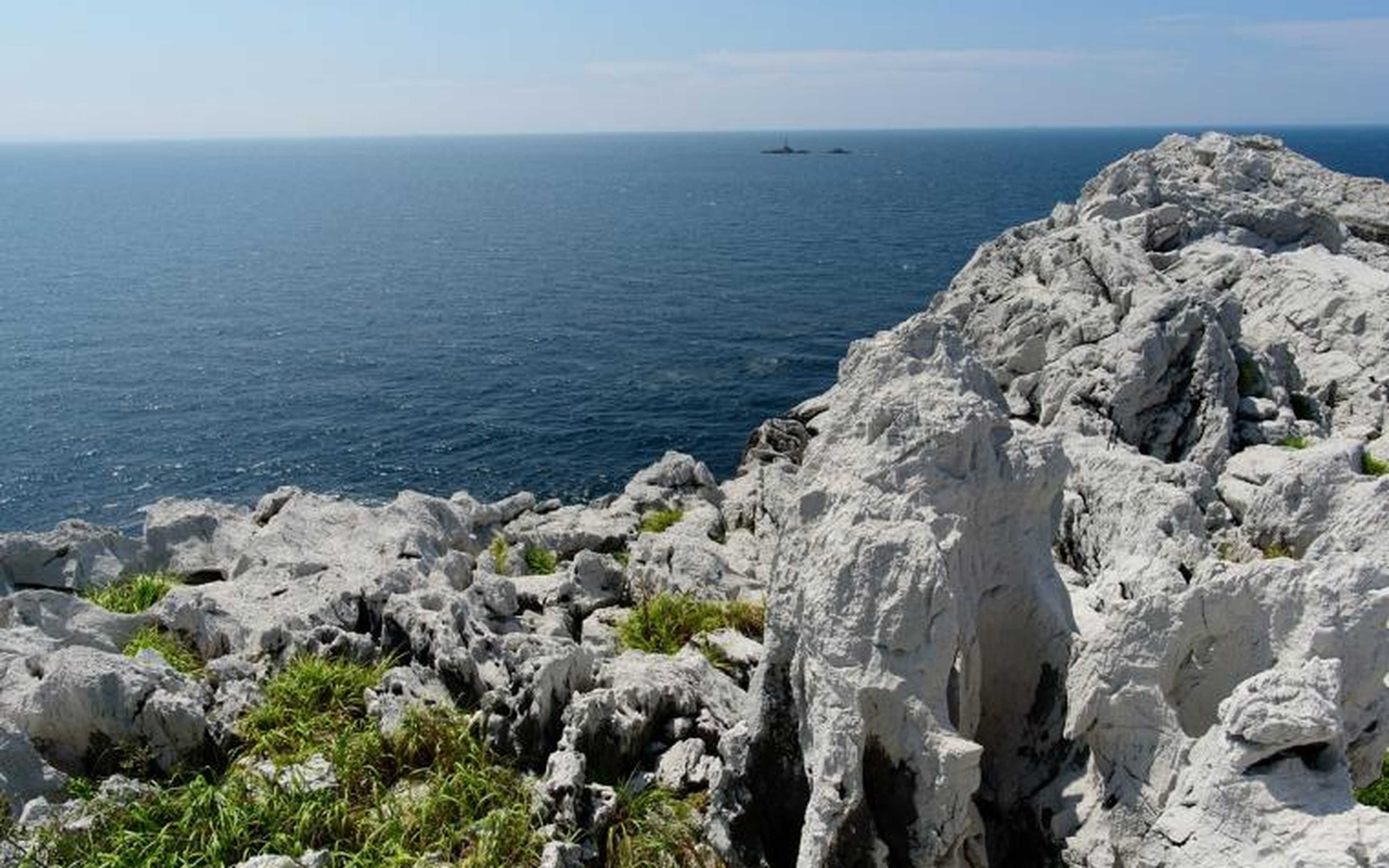
There's a place where the smell of the tide grows stronger the closer you get. Tanabe Bay, facing the port town of Tanabe City in Wakayama Prefecture, is one of them.
Every trip here starts the same way: holding a rod tip that hasn't yet felt a single bite, that restless weight in your hands before anything happens.
And it ends with that same fish on a plate in front of you, hours later, still glistening.
Why Tanabe Bay Is Wakayama's Best-Kept Fishing Secret 💎
Tanabe Bay is still something of a hidden gem for international travelers — a stretch of Wakayama coastline better known to local anglers than to overseas visitors, which is exactly what makes a Japan fishing trip here feel personal rather than packaged.
- ✅ Two departures a day, so it fits into either half of your itinerary
- ✅ Five minutes by taxi from Kii-Tanabe Station — no long transfer to reach the water
- ✅ A partner restaurant within walking distance of the same station, cooking what you caught
The Fishing Experience – Step by Step 🎣
This time, we introduce Tanabe Bay's Marine World Tanabe, the charter boat running sabiki fishing out of the bay, with two departures a day, morning and afternoon.
- 🛠️ Preparation – Full rental tackle and life jackets are provided, so you can come aboard empty-handed. The captain walks you through how to hold the rod and how to drop the rig, one step at a time, so no one who's new to a rod in hand gets left behind.
- 🎣 Cast Your Line – The sabiki rig goes down into Tanabe Bay, and the wait begins. The meeting point is about 5 minutes by taxi (roughly 1.8km) from Kii-Tanabe Station on the JR Kinokuni Line.
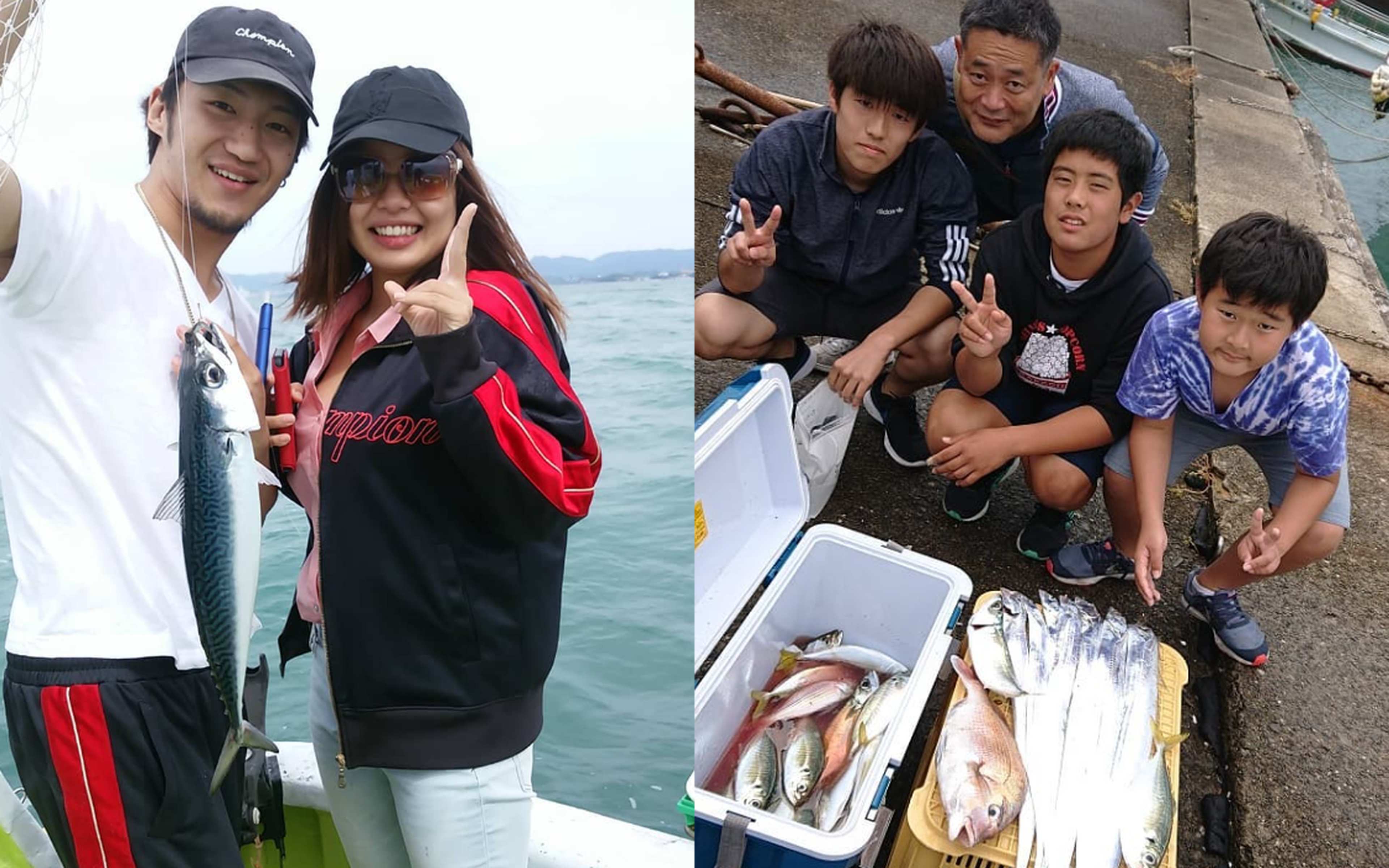
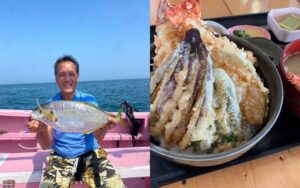
- ✨ The Rod Tip Shakes – Aji travel in schools, so once the bite starts, the rod tip keeps trembling in short, steady pulses, a sensation unlike anything else.
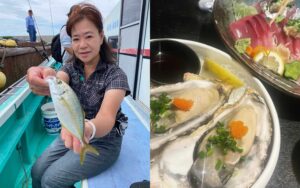
- 💪 Reeling in Your Catch – A fish fresh off the hook has a back that looks like it's soaked up the color of the sea itself — a blue that fades to a duller shade within just a few minutes of hitting the deck.
- 🍽️ From Sea to Table – Unlike a typical charter, the day doesn't end at the dock. Your catch goes to the partner restaurant the same day, and the captain will even walk you through how to prepare it.
✨ This isn't just fishing. It's a half day where the waiting, the strike, and the meal all belong to the same story.
Fishing Methods & Target Species
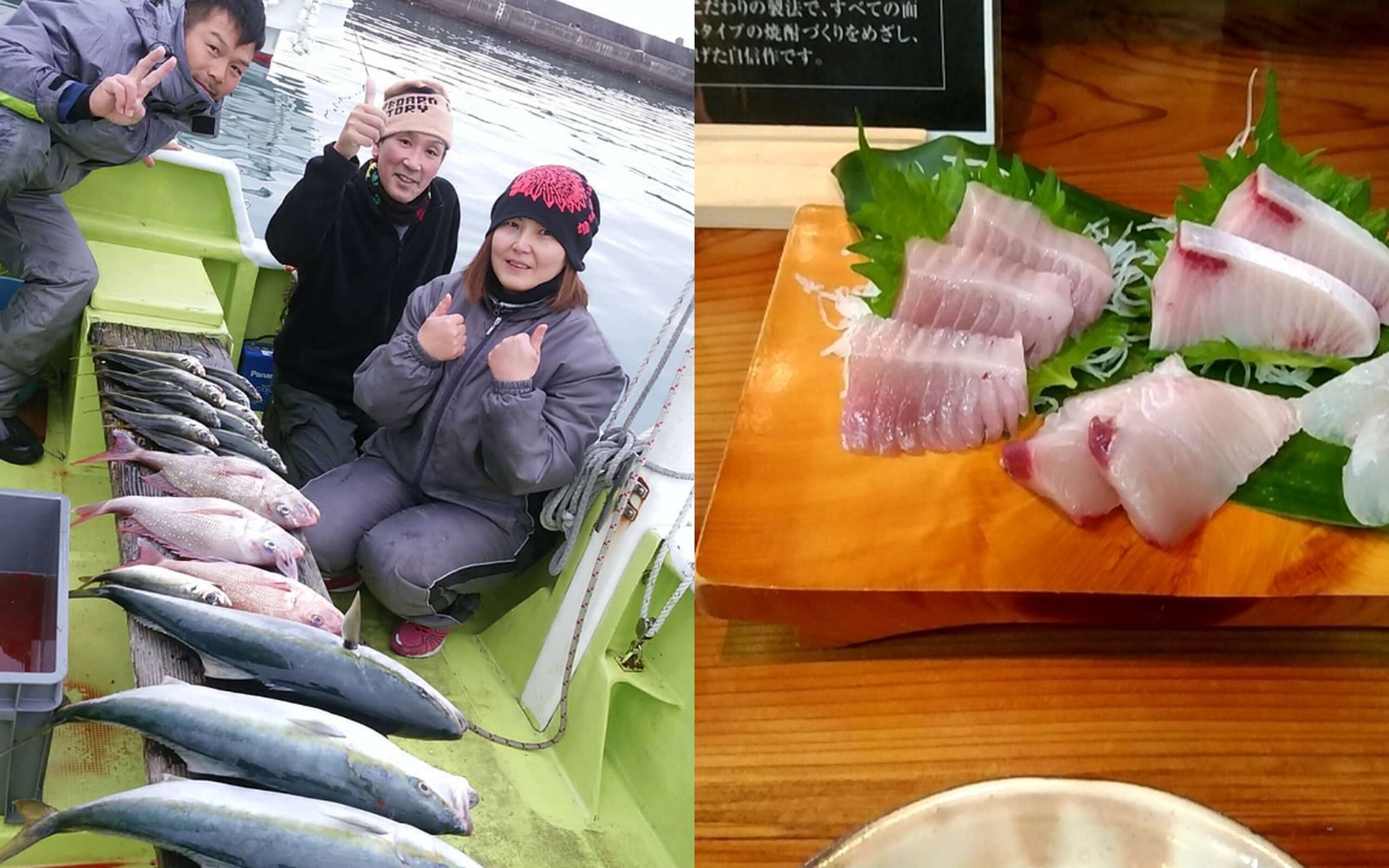
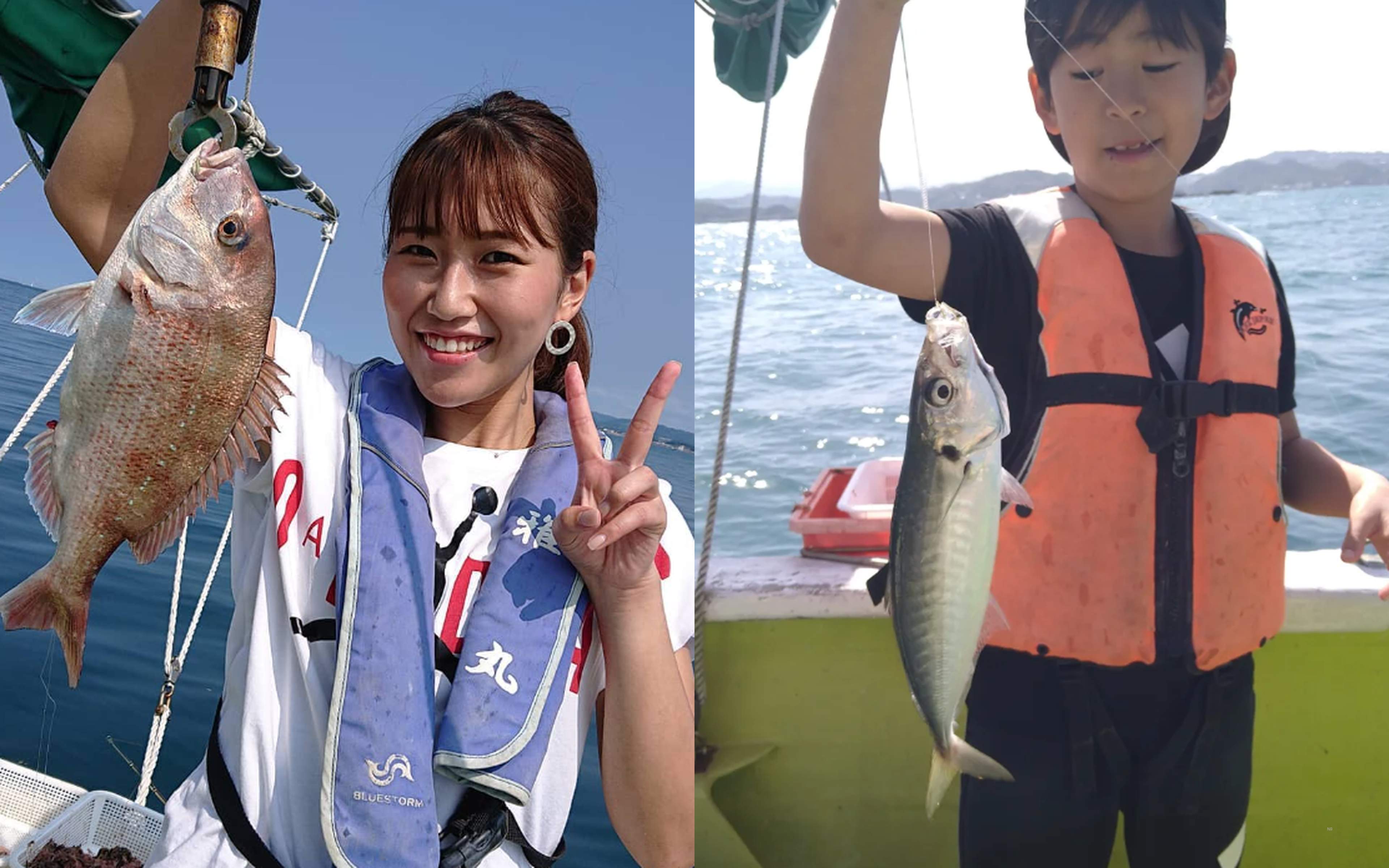
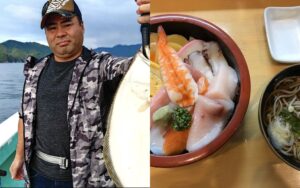
The target is a mixed catch on sabiki rigs — horse mackerel (aji), chicken grunt (isaki), and whatever else turns up mixed in along the way.
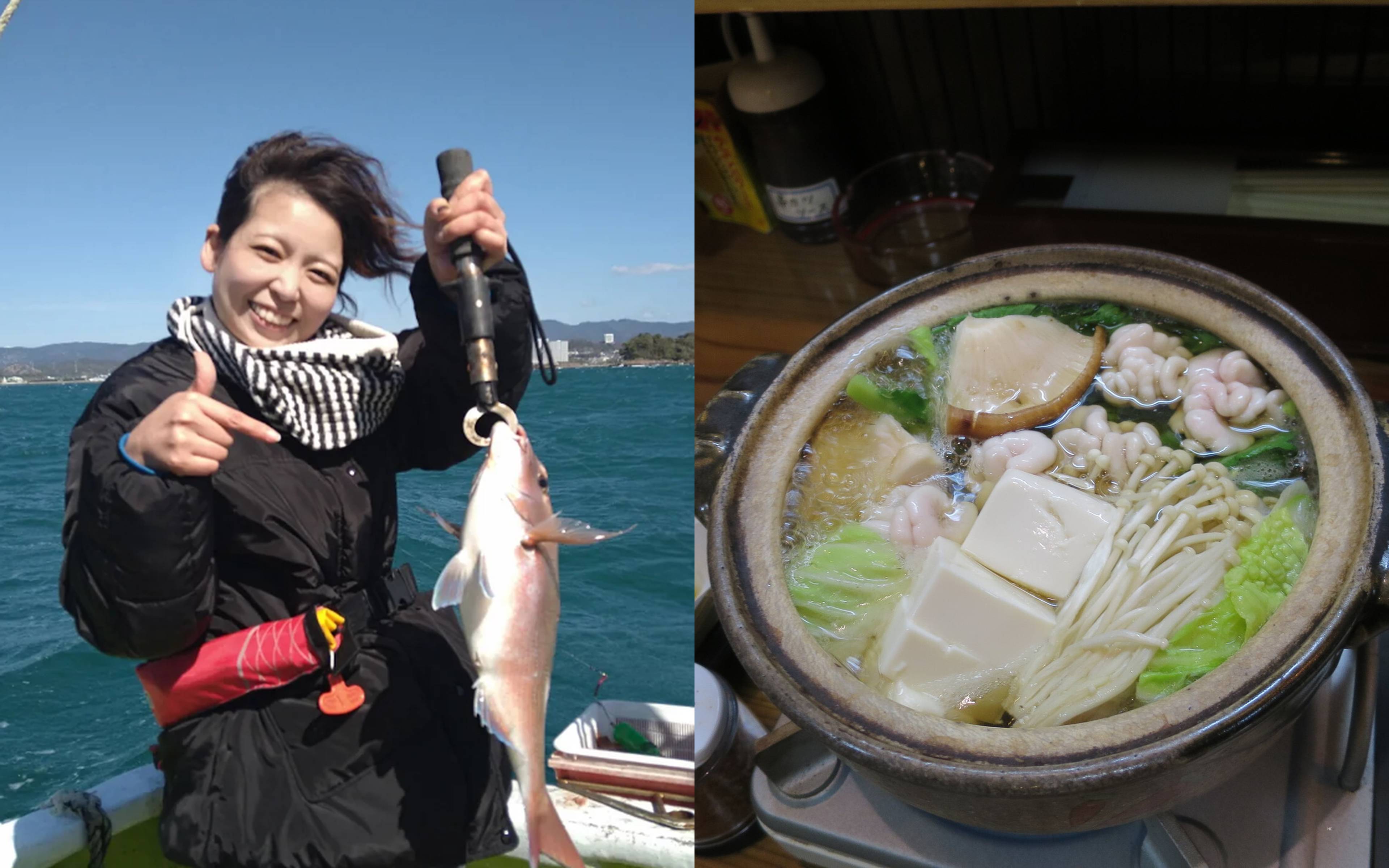
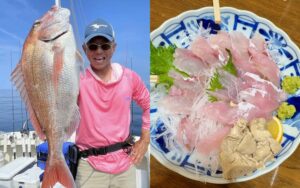
When a red seabream (madai) comes up, the faint pink along its flank with small blue spots scattered across it shows up clearly in the daylight.
Sabiki fishing isn't a constant stream of bites. More often than not, it's time spent watching the rod tip in silence after the rig goes down.
As the current slackens or picks up, the captain repositions the boat little by little. In between, conversation strikes up among the people sharing the deck, then fades back into quiet waiting.
That stretch of waiting is, in my view, what a mixed-catch sabiki trip is really about.
It's precisely because nothing happens for those long minutes that the instant the rod tip suddenly goes heavy stands out the way it does.
Summer sun over Tanabe Bay is strong, and the morning charter spends long stretches with lines out under the glare off the water. The sea breeze brushing the back of your neck and the heat of the sun soaking into your skin — that combination is what stays with you for the next few hours.
Dinner After the Charter – Uogokoro 🍶
Whatever you land, I arrange for it to be brought that same day to the partner restaurant Uogokoro (1-1-38 Takao, Tanabe City, Wakayama — about a 5-minute walk from Kii-Tanabe Station) to be prepared for you.
The restaurant is open from 17:30 to 23:00 (last order 22:30) and closed on Sundays.
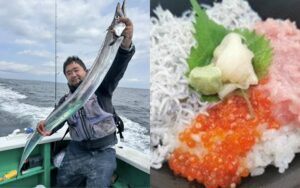
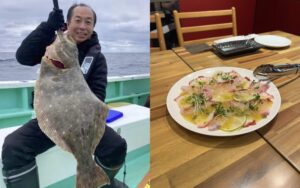
- 👨🍳 From Sea to Kitchen – The chef takes your catch and prepares it as sashimi, or fries it into a completely different dish.
- 🍣 Japan-Style: From Sea to Table – A fish that was still moving in your hands a few hours earlier arrives sliced for sashimi, the cut surface still glistening.
- 🥢 Cultural Experience – A true sea-to-table moment, and a privilege reserved for the person who caught it.
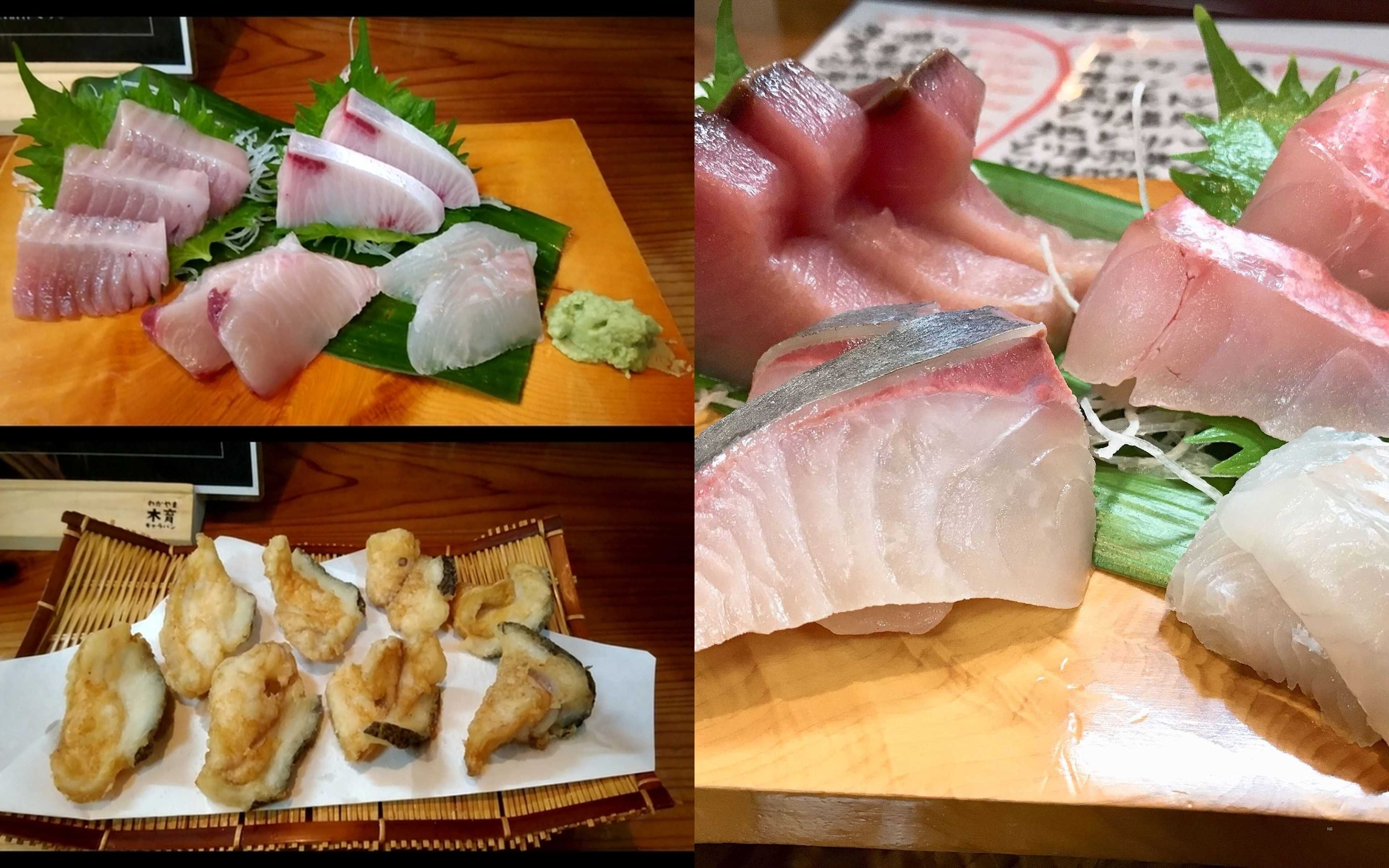
✨ Unforgettable Memories – For me, the experience of this trip includes the hours right up until your catch lands back on a plate the very same day, fresh seafood turned into a meal within hours.
From My Guests 🗣️
Justin answered my post-trip survey in July 2026 and agreed to have it published:
Yes. Even though we didn't catch anything (recent typhoon and earthquake), the day on the boat was fun, and the restaurant that was reserved for us was fantastic. Everything was planned and went pretty smoothly thanks to Hiro, even with my limited Japanese language skills.
— Justin, July 2026
Reservation, Access & Pricing
Official Links ✨
Important:
Read the full pricing and schedule section before reserving — the departure time varies by season and by trip type!
Budget Guide 💴
As a fully guided package — including Japanese-language booking, schedule coordination, and on-call English support throughout your day — budget $200–$300 per person.
The boat charter itself runs roughly 6,000 yen (~$40) for adults (high-school age and up), 4,000 yen (~$27) for junior-high students, and 3,000 yen (~$20) for elementary-school children, based on 150 yen to the dollar. Rental tackle (rod and reel) is an additional 2,000 yen (~$13) if you need it.
Fishing Difficulty 🎯
Beginner-Friendly · Solo Travelers Welcome · Great for Couples, Families & Small Groups
No experience or gear needed — full rental tackle available
Note: Catch results depend on nature — success is never guaranteed!
Schedule 🕘
Departures run twice daily: AM 8:00–11:00 and PM 13:00–16:00. Once you land your catch, it can be brought the same day to Uogokoro, open 17:30 to 23:00 (last order 22:30), closed on Sundays.
What to Bring 🎒
☀️ Spring/Summer: Sunscreen, sunglasses, a wide-brim hat, plenty of water, and light snacks. The deck is fully exposed — no shade. Stay hydrated, especially on early-morning departures and the return leg.
❄️ Autumn/Winter: The sea is colder than on land. Dress at least two layers warmer than you would ashore, and bring a windproof outer layer.
👟 Footwear: Water-resistant shoes or sandals that can get wet and won't slip on a wet deck.
📦 Optional: Motion sickness tablets if you're prone to seasickness, a towel, a change of clothes, and a camera.
🚚 For travelers continuing to another city: Cool-pack delivery of your catch to your next accommodation can be arranged on request.
Full seasonal gear details: Spring/Summer Gear Guide · Autumn/Winter Gear Guide
Why Book Your Charter Through Me?
Most Japanese fishing boats accept reservations only in Japanese.
Partner restaurants typically do not advertise "cook-your-catch" or sushi-making courses on public-facing menus.
That's why I handle all direct negotiations and arrangements — so your day runs without friction.
- ✅ I contact the captain directly in Japanese to confirm your date, party size, and preferred fishing style.
- ✅ Before departure, I'll walk you through the full day schedule so you arrive confident and prepared.
- ✅ I coordinate the dining experience and meal timing at the partner restaurant so everything connects seamlessly.
- ✅ I handle any allergy, dietary, or special-requirements communication with the restaurant.
- ✅ If bad weather forces a cancellation, I'll immediately propose alternative sightseeing options so your day isn't wasted.
- ✅ On-call support in English throughout the day for anything that comes up.
- ✅ I specialise in fishing + dining trips for international travelers: the boat and the meal booked together, with one contact in English.
Frequently Asked Questions
- "I want to try fishing in Japan but have absolutely no idea where to start." 👉 That is exactly what I am here for — guiding international travelers through the whole process is my specialty.
- "I only have one day here. Can I really fit fishing into my itinerary?" 👉 Absolutely. A half-day morning charter (back by noon) leaves the full afternoon free for sightseeing.
- "Is it safe for kids and beginners?" 👉 Yes. Life jackets are provided, the crew is experienced with family groups, and beginner-friendly techniques make it a near-guaranteed fun experience for first-timers of any age.
- "I don't speak any Japanese. Will I be able to manage on the boat?" 👉 Of course. I brief you thoroughly in English beforehand and stay in contact throughout the day for anything that comes up.
- "Can I rent fishing gear on the day?" 👉 Yes — a full rental tackle package (rod, reel, lures, life jacket) is available. No equipment needed from your side.
- "What if the weather is bad on my day?" 👉 Safety always comes first. If the charter is cancelled due to rough seas, I'll have an alternative day plan ready for you immediately.
- "Do all plans require a minimum group size?" 👉 Yes — all plans, including charter, require a minimum of 3 participants. Contact me and I can help coordinate groups if needed.
How to Get to Tanabe Bay
- 🚄 From Tokyo: Shinkansen to Shin-Osaka, then the Kuroshio limited express to Kii-Tanabe Station (approx. 5 hours in total)
- 🚆 From Osaka/Kyoto: Kuroshio limited express direct to Kii-Tanabe Station (approx. 2 hours)
- 🚕 From Kii-Tanabe Station: about 5 minutes by taxi (approx. 1.8km) to the meeting point
- 🚗 By car: about 10 minutes from the Nanki-Tanabe IC
Summary
Japan travel offers countless unforgettable moments, but few combine adventure, culture, and fresh seafood the way a half day out of Tanabe Bay does.
Both the hours spent watching a rod tip and the wait for your catch to reach a plate at Uogokoro are part of what I hope you'll carry home from this trip.
If the language barrier has you hesitant, I'll be the one handling the booking and any day-of communication on your behalf.
Ready to add the best story of your Wakayama trip?
👉 Contact me below for custom planning and booking support in English.
👉 中文咨询请点击此处 ※使用翻译软件进行处理

Comments