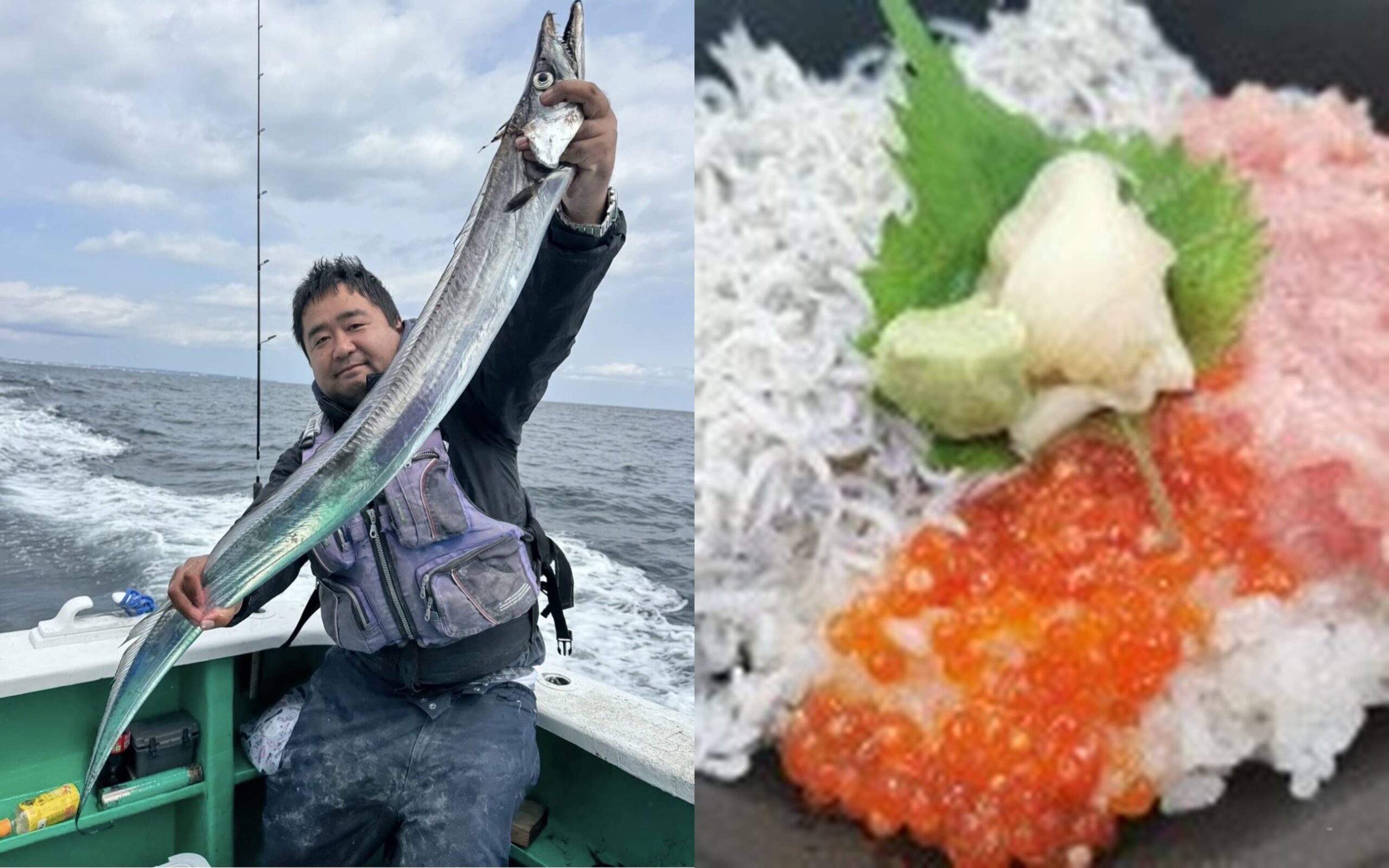
Half-Day Joban Line Fishing Guide
Introduction
I hesitate to recommend Nissho-maru's morning charter out of Kuji Fishing Port in Hitachi, Ibaraki — not because the fishing comes up short, but because the best part of the day happens before anyone even picks up a rod. At the reception desk, you draw a single playing card, and that card alone decides where you'll stand on deck. It's an odd little ritual for a hitotsu-tenya sea bream trip, and somehow it sets the tone for everything that follows.
Why Kuji Fishing Port Is Ibaraki's Hidden Gem for Red Sea Bream
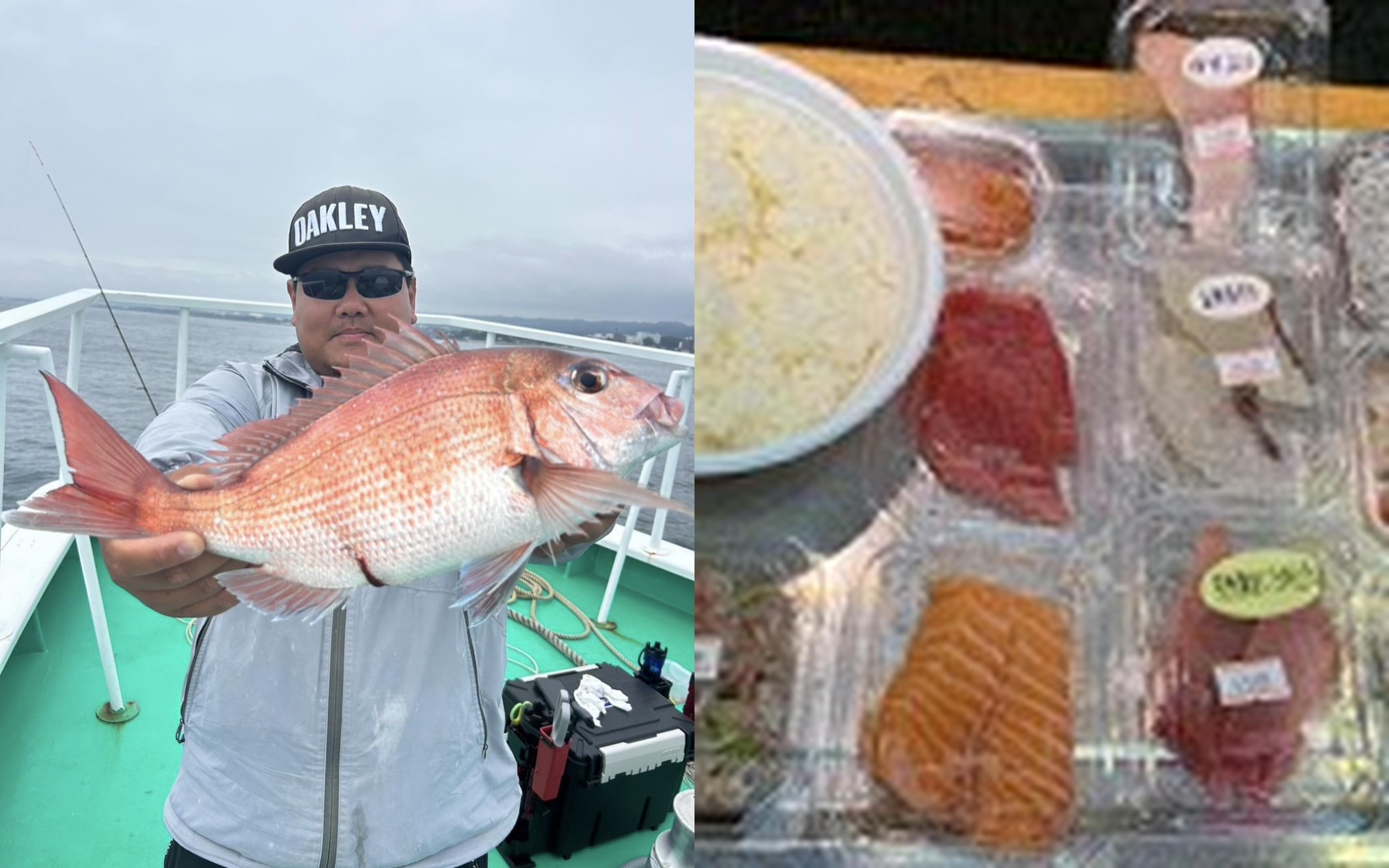
Kuji Fishing Port doesn't carry the name recognition of Japan's bigger charter fishing hubs, but the sea bream fishing off Hitachi has been quietly excellent this season. In the week before our trip, the boat's own catch log recorded sixteen straight days with at least one fish over a kilogram, including a 4.83kg red sea bream. That's not a one-off — it's the kind of water most anglers only hear about from friends who've already been.
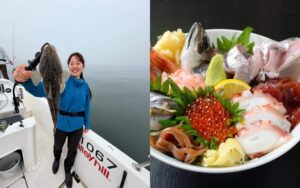
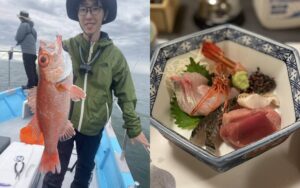
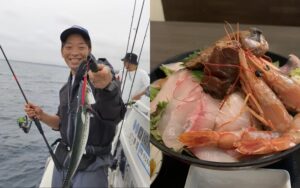
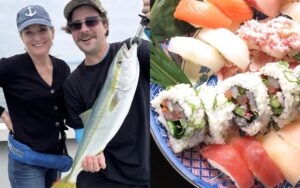
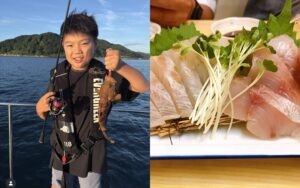
On our day out, the tide was on a young cycle with a north wind, and the captain worked depths of 15 to 25 metres with water temperatures between 23.7°C and 24.3°C — solidly mid-summer numbers. Every angler aboard hooked at least one fish, landing between three and nine red sea bream each in the 0.3–0.8kg range, with the top rod at nine fish (a tie between two anglers) and the lowest still bringing home three. Nobody blanked, even if two clearly larger fish came unstuck before they could be landed. Rounding out the catch were crimson sea bream, rockfish, kelp grouper, and flounder.
The Fishing Experience – Step by Step 🎣
- Arrive at Kuji Fishing Port before dawn. Morning trips gather at 4:30, right at the boat itself rather than at a tackle shop — cars line up along the quay, with one space always left open for the captain's own car.
- Check in and draw your seat. Pay the boarding fee, sign the passenger log, then draw a playing card — the order you draw decides the order you pick your fishing position on deck. Bait, a seat cushion, and a hand towel come with check-in, and you put on an auto-inflating life jacket before stepping aboard.
- Head out to the grounds. The run out takes 30 minutes to an hour aboard Dai-hachi Nissho-maru, a 19m, 4.5m-beam vessel with a wide 16-ton hull built to carry up to 26 anglers and keep the rolling down. Below deck there's a cabin and a women-only flush toilet, and the crew running the day includes three captains, the company president, and a female deckhand who helps first-timers get set up. The captain announces the start over the boat's speaker, and nobody drops a line until the buzzer sounds.
- Fish. Hitotsu-tenya and tairaba rigs work the bottom at 15–25 metres. Crew circulate with coffee as the morning goes on, and any standout fish gets weighed and photographed on the spot before it goes in the cooler — ice is free to take from the boat's own supply.
- Return to port. Back at the dock, a bento lunch and tea are waiting at tables set up for the returning anglers.
Fishing Methods & Target Species
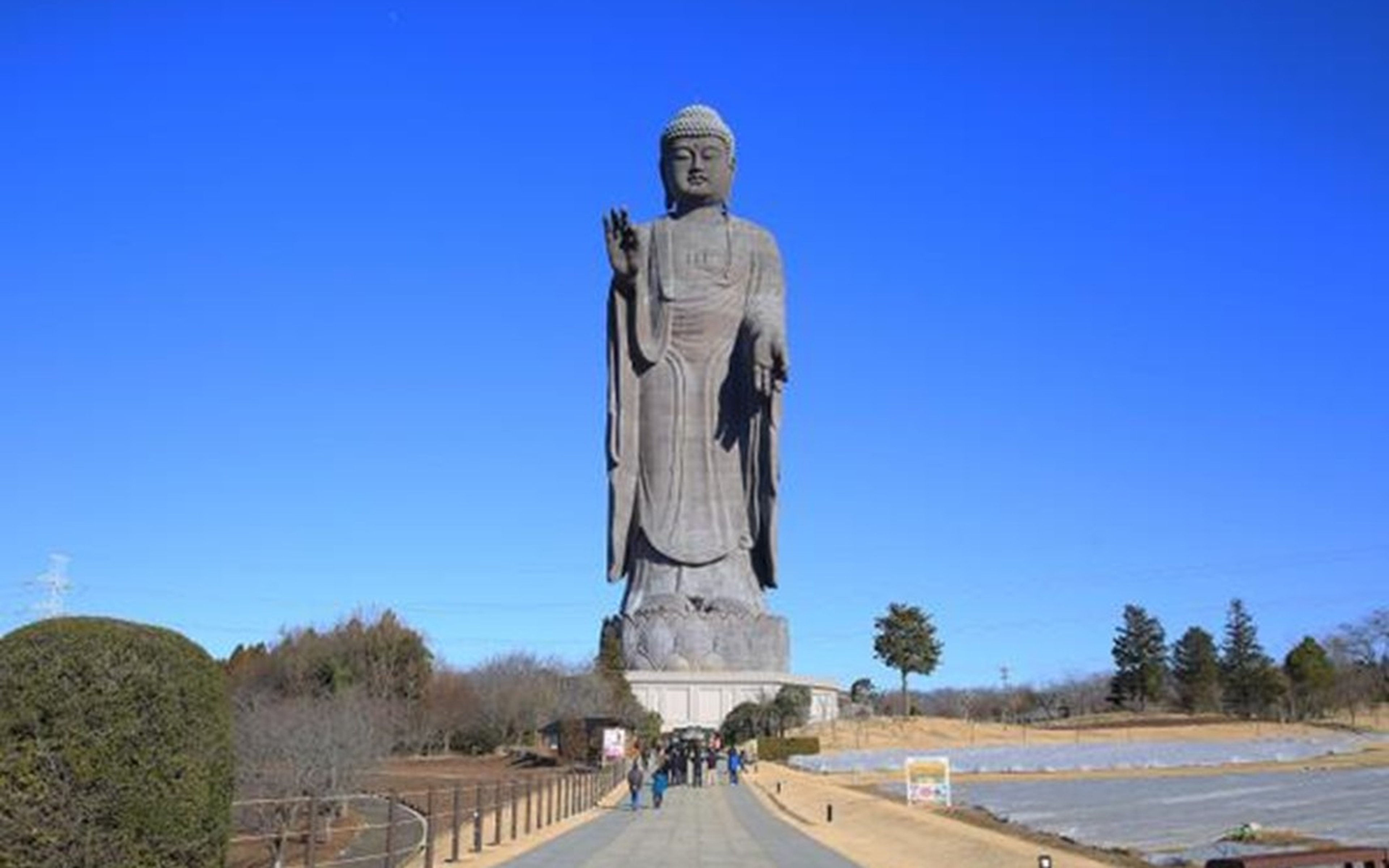
- Hitotsu-tenya for red sea bream (madai) — the boat's signature method, fished at 15–25 metres off Kuji.
- Tairaba and tai-jigging — both work the same grounds and can be combined with tenya tackle depending on the day.
- Mixed bycatch on the same drift — crimson sea bream (hanadai), rockfish (kasago), kelp grouper (mahata), and flounder (hirame) all turned up alongside sea bream on our trip.
- A boat built for spotting fish, not just catching them — the green-painted deck stays easy to pick out in low light, and an onboard Tankenmaru sonar repeater lets you watch the same bottom picture the captain is reading.
- A season that changes completely — from December through January, Nissho-maru switches over to cutlassfish (tachiuo) and flounder trips, so the same boat fishes very differently in winter.
Sea bream is a year-round target here, but which method the captain runs, and what else comes up on the same drift, shifts with the season — I confirm current conditions before you book.
Dinner After the Charter – Ajikatte-don 🍶
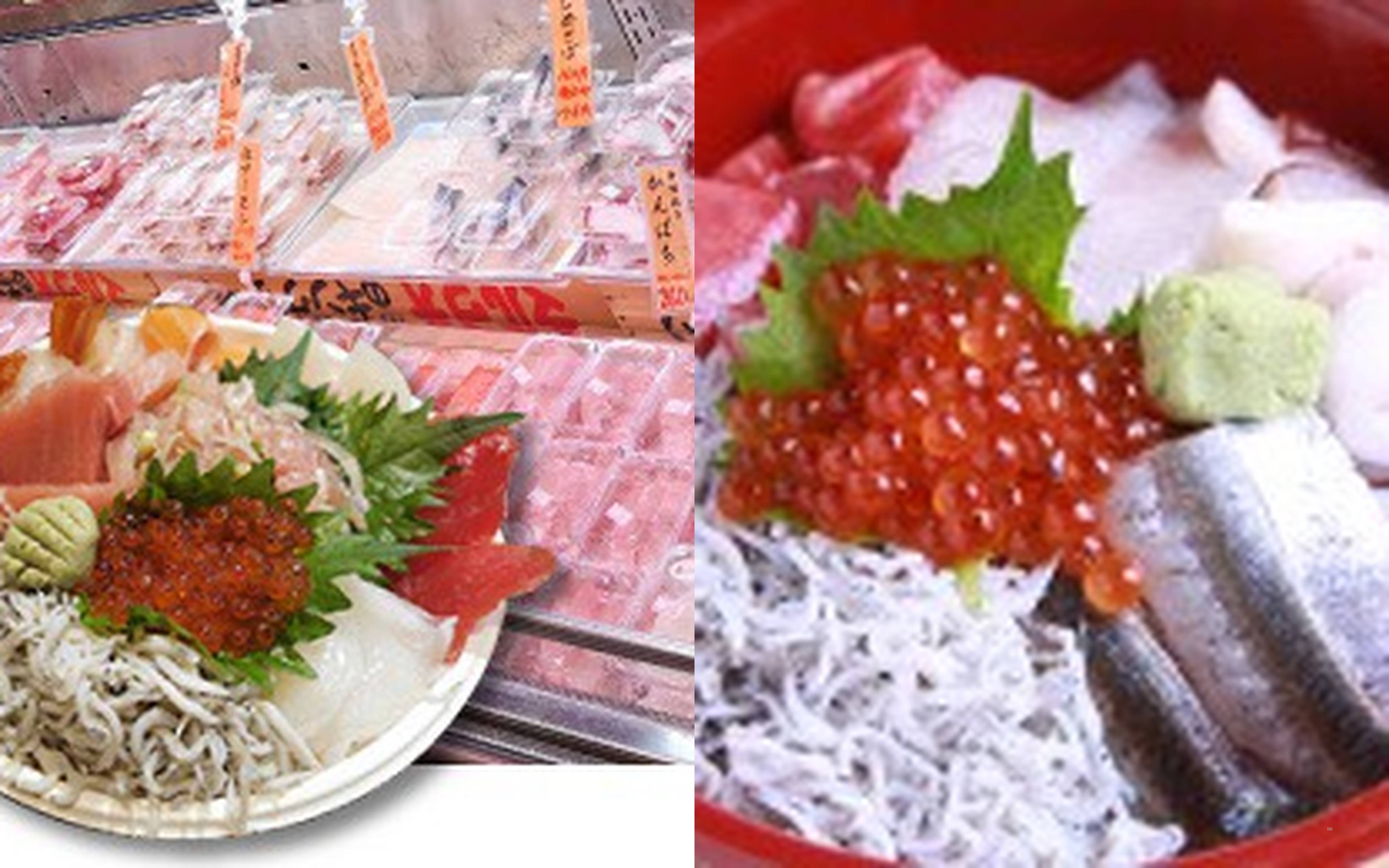
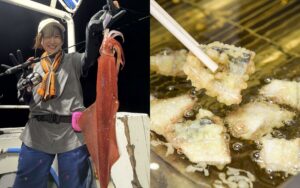
About five minutes from the port by car, Ajikatte-don sits inside Michi-no-Eki Hitachi Osakana Center. The format is simple and satisfying: pick your own cuts from the sashimi cases and build your own donburi bowl. The same facility also houses a seafood hamayaki (beach-grill) counter, so the smell of grilling shellfish tends to drift through the building alongside the smell of the sea outside.
Whether you can have your own catch from the boat prepared there is something I haven't confirmed yet, so I won't promise it either way. What I can promise is that choosing your own sashimi and building the bowl yourself is a genuinely good way to close out a morning on the water.
🗣️ Traveler Reviews – Why They Chose This Charter
🗣️ ⭐️⭐️⭐️⭐️⭐️
I thought the card-drawing part was some kind of joke when the staff explained it to me. Then I watched a grown man study his card like it held the meaning of life, and I realized everyone on that boat took it exactly as seriously as I did.
— Camille (France)
🗣️ ⭐️⭐️⭐️⭐️⭐️
The deckhand poured coffee into my cup without asking, right as the wind picked up, and I hadn't realized how cold I'd gotten until the cup warmed my hands. Small thing, but it's the detail I keep bringing up when people ask how the trip went.
— Ravi (Singapore)
🗣️ ⭐️⭐️⭐️⭐️⭐️
Building my own bowl at the counter afterward, picking each piece myself, felt like the calm ending the morning needed. I didn't say much on the drive back, and neither did anyone else — everyone was still somewhere out on the water in their head.
— Ingrid (Sweden)
Reservation, Access & Pricing
Official Links ✨
- Nissho-maru official website: https://nisshoumaru.jp/
- Ajikatte-don (Google Maps): https://maps.google.com/?cid=9243000601024077422
Important:
Read the full pricing and schedule section before reserving — the departure time varies by season and by trip type!
Budget Guide 💴
Expect to budget $200–$300 per person for the full package — this covers guide arrangement, booking negotiation with the captain in Japanese, and English-language support throughout your day. Rental tackle, any licensing needs, and dinner afterward at Ajikatte-don vary and are arranged separately based on what you need.
Fishing Difficulty 🎯
Solo Travelers · Couples & Small Groups · Age limits and group minimums are set by each boat
Tackle rules differ too — some boats hire out rods and reels, some hire out nothing but life jackets. I confirm this boat's rules with the operator before you book; what is already confirmed for this one is in the Schedule section above.
Note: Catch results depend on nature — success is never guaranteed!
Schedule 🕘
Morning hitotsu-tenya trips gather at 4:30 at the boat, with a run out to the grounds of 30 minutes to an hour before fishing begins, and a bento lunch waiting back at the dock afterward. I'll confirm the exact meeting time, and whether a morning or afternoon slot suits your dates, once we're in touch.
What to Bring 🎒
☀️ Spring/Summer: Sunscreen, sunglasses, a wide-brim hat, plenty of water, and light snacks. The deck is fully exposed — no shade. Stay hydrated, especially on early-morning departures and the return leg.
❄️ Autumn/Winter: The sea is colder than on land. Dress at least two layers warmer than you would ashore, and bring a windproof outer layer.
👟 Footwear: Water-resistant shoes or sandals that can get wet and won't slip on a wet deck.
📦 Optional: Motion sickness tablets if you're prone to seasickness, a towel, a change of clothes, and a camera.
🚚 For travelers continuing to another city: Cool-pack delivery of your catch to your next accommodation can be arranged on request.
Full seasonal gear details: Spring/Summer Gear Guide · Autumn/Winter Gear Guide
Why Book Your Charter Through Me?
Most Japanese fishing boats accept reservations only in Japanese.
Partner restaurants typically do not advertise "cook-your-catch" or sushi-making courses on public-facing menus.
That's why I handle all direct negotiations and arrangements — so your day runs without friction.
- ✅ I contact the captain directly in Japanese to confirm your date, party size, and preferred fishing style.
- ✅ Before departure, I'll walk you through the full day schedule so you arrive confident and prepared.
- ✅ I coordinate the dining experience and meal timing at the partner restaurant so everything connects seamlessly.
- ✅ I handle any allergy, dietary, or special-requirements communication with the restaurant.
- ✅ If bad weather forces a cancellation, I'll immediately propose alternative sightseeing options so your day isn't wasted.
- ✅ On-call support in English throughout the day for anything that comes up.
- ✅ I am the only guide in Japan specialising in fishing + dining packages for international travelers.
Frequently Asked Questions
- "I want to try fishing in Japan but have absolutely no idea where to start." 👉 That is exactly what I am here for — guiding international travelers through the whole process is my specialty.
- "I only have one day here. Can I really fit fishing into my itinerary?" 👉 Often, yes — but departure and return times vary enormously, from pre-dawn starts to trips that finish after dark. See the Schedule section above for this boat, tell me your dates, and I'll work out what fits around the rest of your trip.
- "Is it safe for kids and beginners?" 👉 Wearing a life jacket is the rule on Japanese charter boats, and many of the boats I work with take complete beginners. Age limits are set by each operator, though, and some do not take children at all — so check the Schedule section above, or ask me and I'll confirm before you book.
- "I don't speak any Japanese. Will I be able to manage on the boat?" 👉 Of course. I brief you thoroughly in English beforehand and stay in contact throughout the day for anything that comes up.
- "Can I rent fishing gear on the day?" 👉 It depends on the boat. Some hire out rods and reels; others hire out nothing but life jackets and expect you to arrive with your own tackle. I check what this boat does before you book, and if you need to bring your own I'll pass on the exact specifications it asks for.
- "What if the weather is bad on my day?" 👉 Safety always comes first. If the charter is cancelled due to rough seas, I'll have an alternative day plan ready for you immediately.
- "Do all plans require a minimum group size?" 👉 It varies by boat and by plan — some take solo anglers on a shared boat, while a private charter often sets a minimum. Tell me your party size and I'll find the plans that work for it.
How to Get to Kuji Fishing Port
By car, the port is about 15 minutes from the Hitachi-Minami-Ota exit on the Joban Expressway, according to the official site. What the official site doesn't mention is train access — there's no public transport guidance on it at all. By straight-line distance, Omika Station on the JR Joban Line sits about 1.6km from Kuji Fishing Port, which works out to a 20–25 minute walk or roughly a five-minute taxi ride.
So while the official guidance assumes you're arriving by car, a train-and-taxi (or train-and-walk) combination gets you there just as reliably.
Summary
A card decides your seat before you've even seen the water, and a self-built donburi closes the morning after you're back on land — in between is a genuinely good hitotsu-tenya sea bream trip off Hitachi's coast. If that sounds like your kind of day in Ibaraki, let's start working out dates.
🗣️ ⭐️⭐️⭐️⭐️⭐️
I almost skipped Ibaraki entirely because it wasn't on any of the "best fishing in Japan" lists I'd found online before the trip. That turned out to be exactly the point — a quiet port, an easy-going crew, and a red sea bream on nearly every line before 8am.
— Desmond (Trinidad and Tobago)
👉 中文咨询请点击此处 ※使用翻译软件进行处理
※ Guest voices in this article are illustrative scenarios based on typical experiences, not actual customer reviews.

Comments