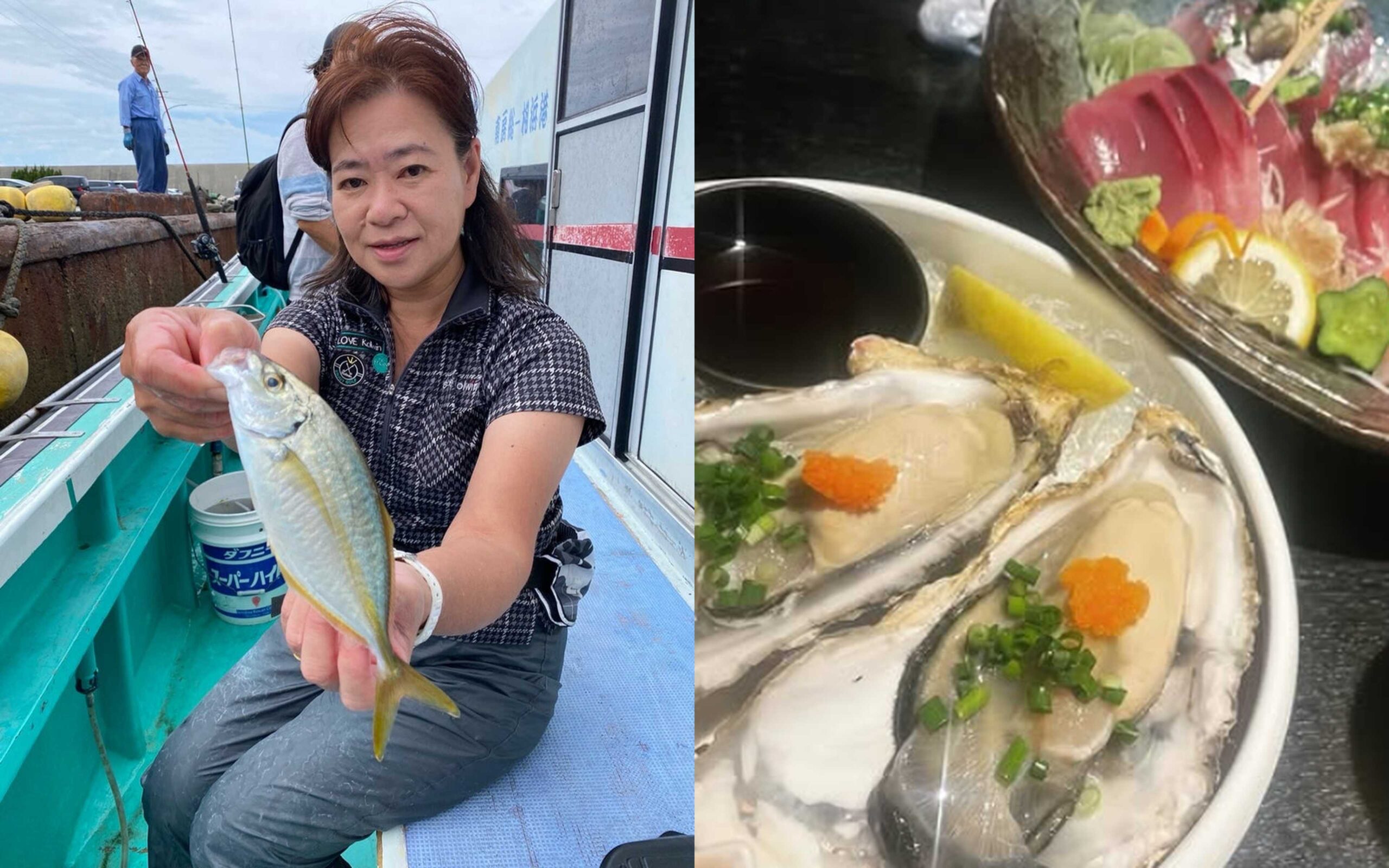
Half-Day Boso Peninsula Fishing Guide
Introduction
I hesitate to recommend Tateyama — not because it's bad, but because it's too good. Every time I send a traveler down to this quiet corner of the Boso Peninsula, part of me wants to keep it to myself. A half-day out of Aihama Port with the Yasuda-maru is one of those rare experiences that manages to be relaxed and thrilling at the same time: real Japan fishing on a working charter boat, real fresh seafood pulled straight from the water, and a sea-to-table dinner that most visitors to Japan never even know exists.
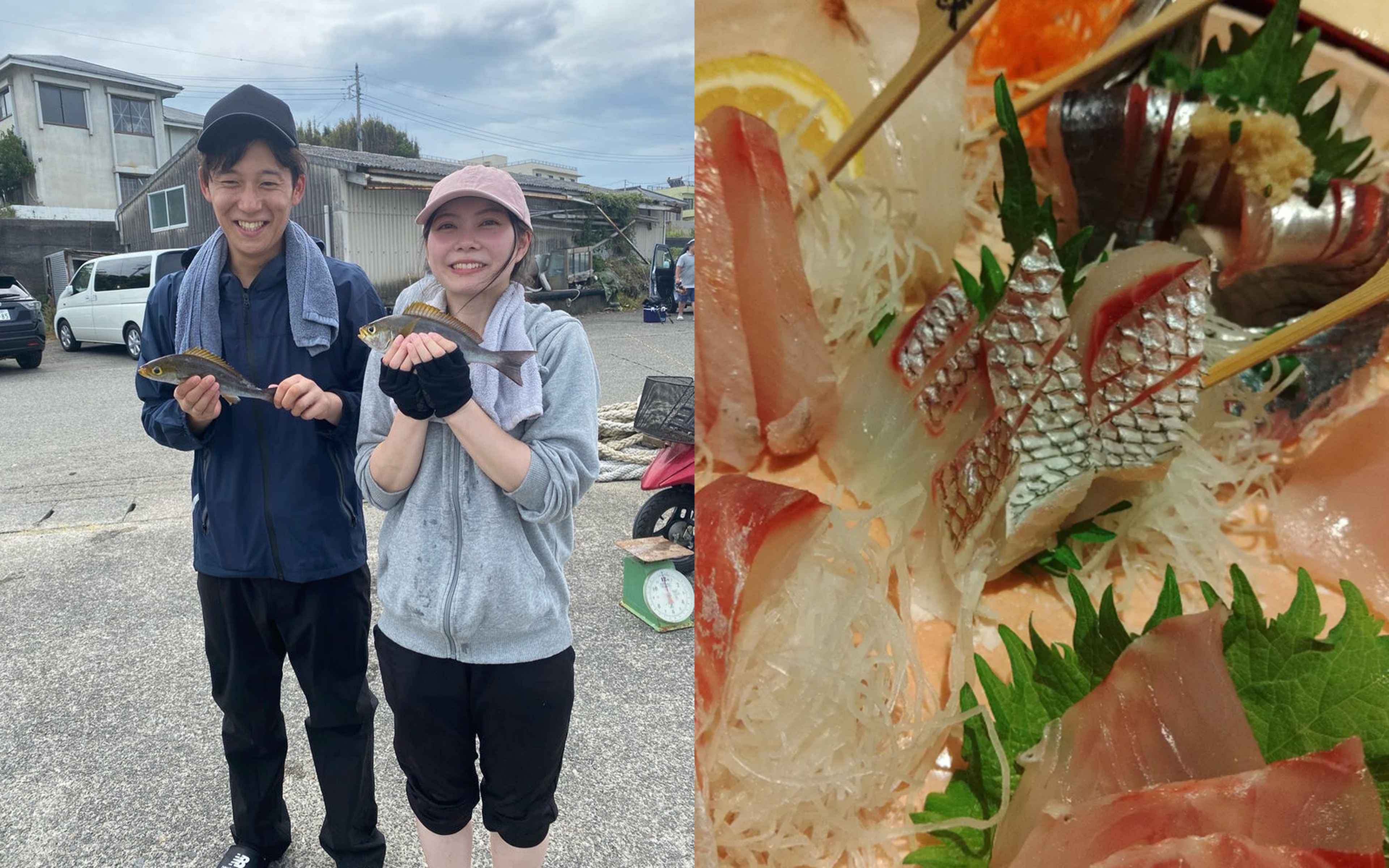
This isn't a tourist-trap fishing photo-op. It's a genuine local travel experience — the kind of hidden gem that turns a single afternoon into the highlight of an entire Japan trip.
Why Tateyama Is the Boso Peninsula's Best-Kept Fishing Secret
Most international travelers head straight for Tokyo Bay when they think about fishing charters near Japan's capital. Tateyama and the wider Minami-Boso area sit quietly a little further south, overlooked by the crowds — and that is exactly what makes it special. The fishing grounds here are not an afterthought; Mera-se, just a few minutes from port, is considered one of the Boso Peninsula's premier fishing grounds by local anglers, even though almost no overseas visitors have heard the name.
That mix of serious local reputation and near-zero foreign tourist traffic is rare. You get a working fishing culture, not a diluted version built for tour buses — a genuine hidden gem for anyone chasing an authentic Chiba fishing charter experience away from the standard Tokyo day-trip circuit.
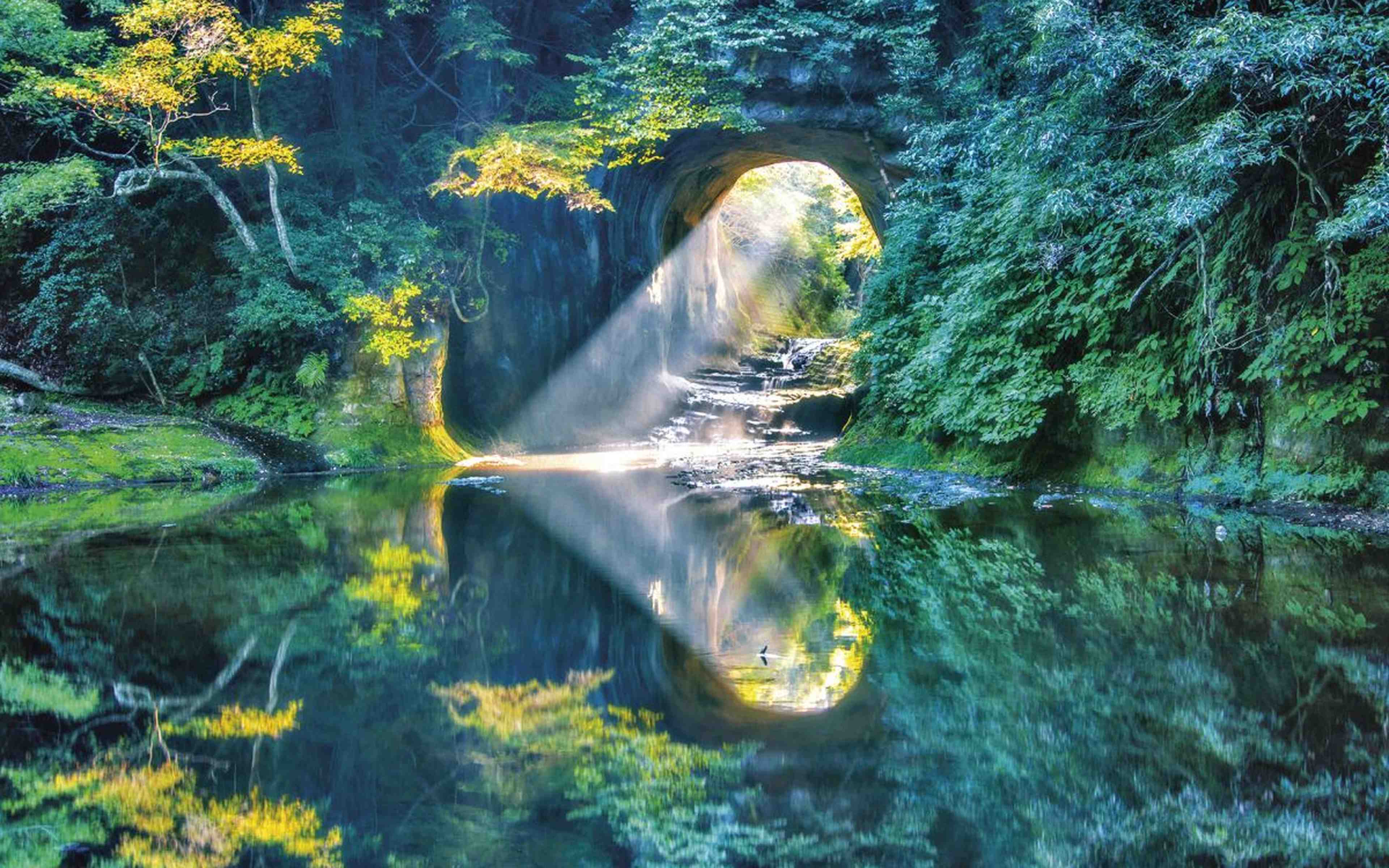
The Fishing Experience – Step by Step 🎣
- Arrival at Aihama Port. You'll meet the crew at the small, working harbor in Tateyama City — a world away from the big commercial marinas near Tokyo.
- Boarding the Yasuda-maru. The charter boat in service is the Dai-Hachi Yasuda-maru, a 19-meter vessel with front and rear cabins, an air-conditioned interior, two restrooms, and 16 power outlets for electric reels.
- Heading out to Mera-se. The run from port to the fishing grounds takes anywhere from 3 to 30 minutes, guided by onboard fish finders, GPS, sonar, radar, and a Tangimaru Smart fish-locating system.
- Fishing the drift. The crew sets up chum (coma-se) bait fishing and standard bait fishing rigs suited to whichever species are running that season — full rental tackle and a life jacket are provided at no extra cost, so first-timers fish exactly the same way as the regulars.
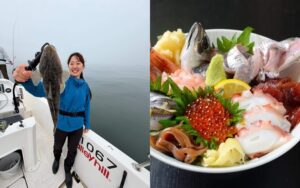
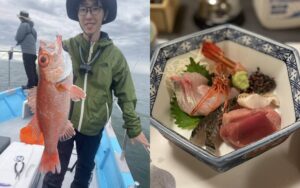
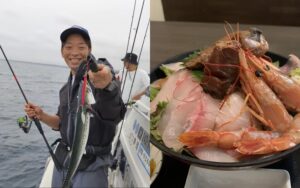
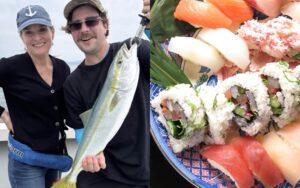
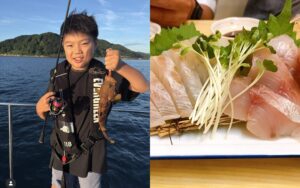
- Back to port, then to the table. Once the boat returns to Aihama Port, your catch travels with you to a partner restaurant, where the same fish you pulled from the sea becomes part of your dinner.
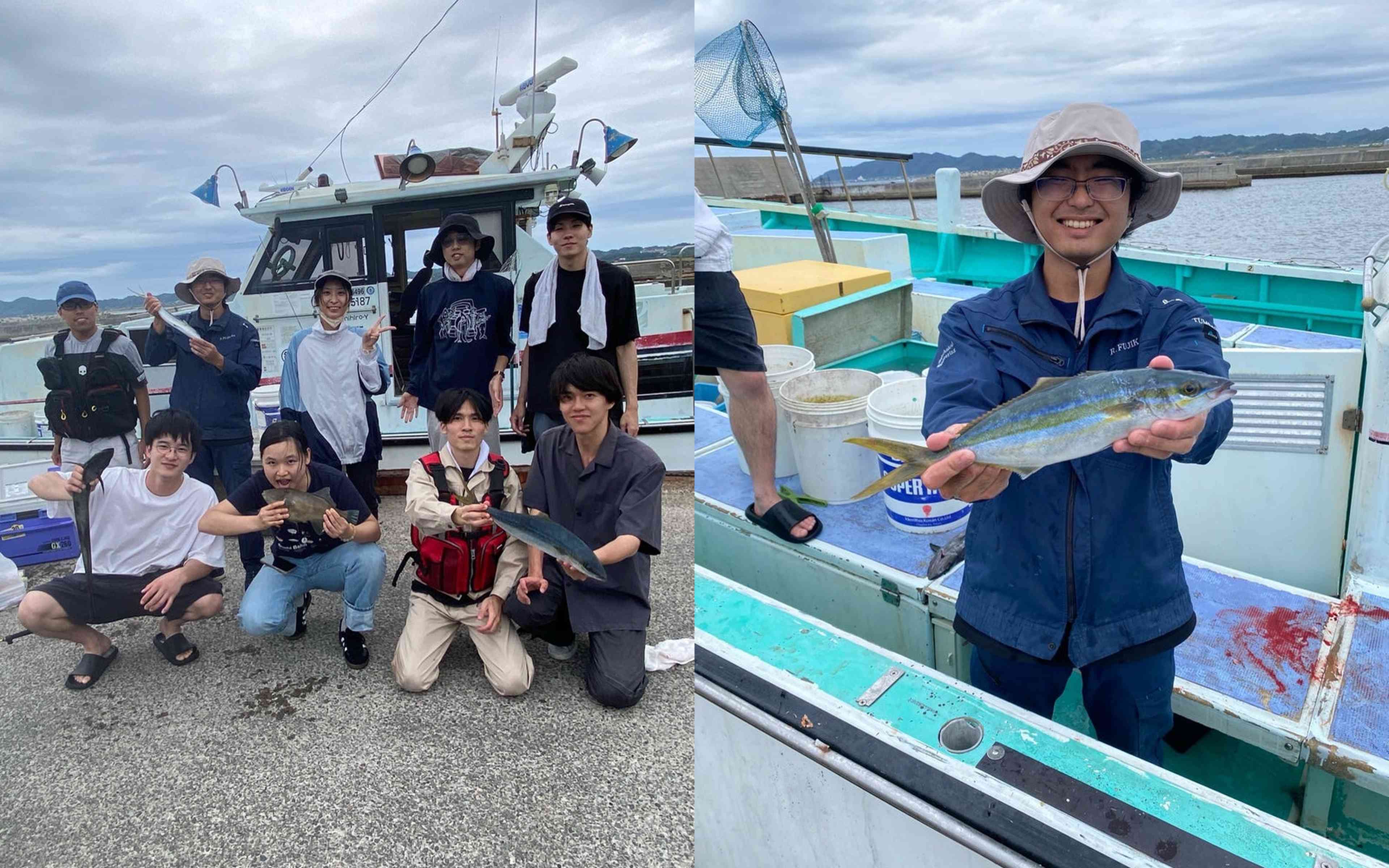
Fishing Methods & Target Species
The Yasuda-maru runs a shared-boat (noriai) style charter using two classic Japanese approaches: coma-se chum-and-berley bait fishing and straightforward bait fishing. Which species you're after depends entirely on the season:
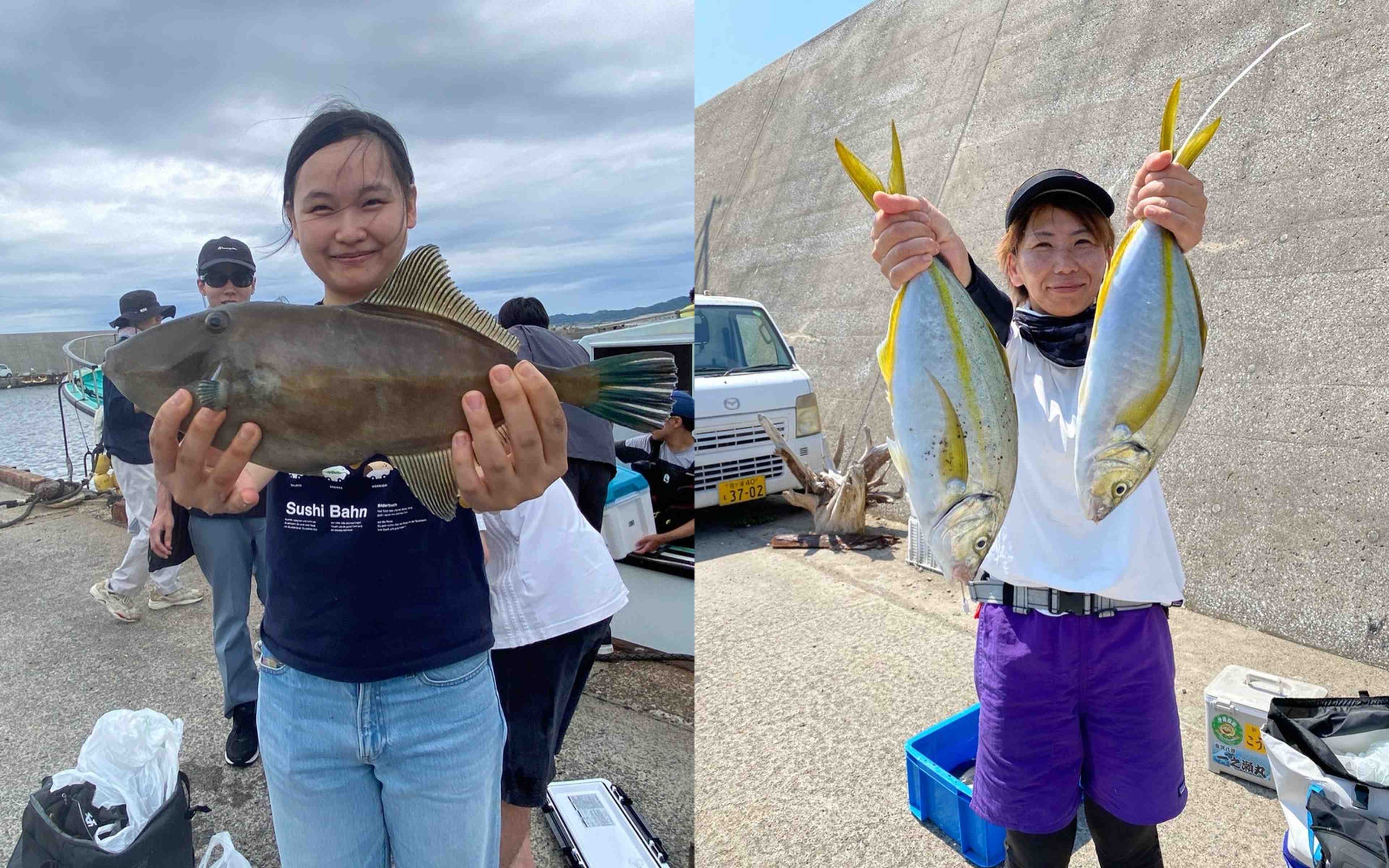
- Striped jack (Shima-aji) — available all seasons, a favorite for its fight and its flavor.
- Red seabream (Madai) — April through October, Japan's classic celebratory fish.
- Chicken grunt (Isaki) — March through September, a reliable summer target.
- Devil scorpionfish (Onikasago) — August through December, prized for rich, dense flesh.
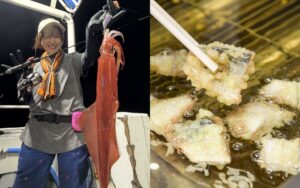
- Spear squid (Yari-ika) — December through April, a favorite for lighter tackle fans.
- Splendid alfonsino (Kinmedai) — October through February, targeted on a dedicated half-night trip.
No matter which season you visit, the boat's electric-reel power outlets, full rental tackle, and experienced crew mean beginners can fish for genuine Boso Peninsula target species without ever having held a rod before.
Dinner After the Charter – Wakasuzu 🍶
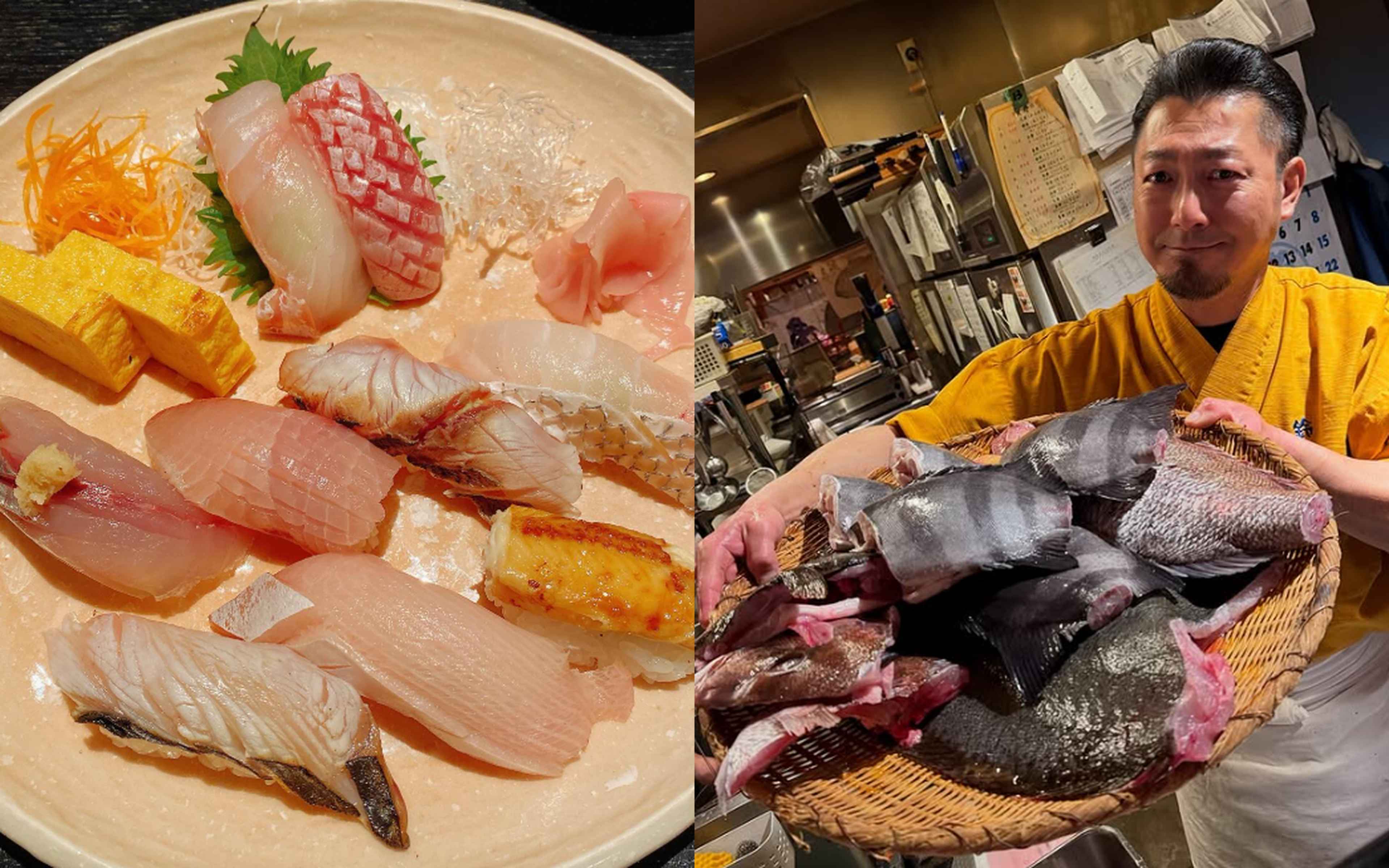
About 15 minutes by car from Aihama Port sits Wakasuzu, the partner restaurant where your day's catch can continue its journey from sea to table. It's a quiet, local spot — not a place built around foreign tourists — which is exactly why the food feels so honest.
Official site: wakasuzu.com · Tabelog listing: Wakasuzu on Tabelog
I check and arrange this with the restaurant in advance on request, coordinating timing so your table is ready when you arrive straight from the boat.
🗣️ Traveler Reviews – Why They Chose This Charter
🗣️ ⭐️⭐️⭐️⭐️⭐️
I almost didn't book because I don't speak a word of Japanese and the whole idea of chartering a real fishing boat felt intimidating. I needn't have worried — everything was explained to me in plain English before I even set foot on the dock, and once we were out on the water the language barrier just stopped mattering. Watching the crew work was half the experience.
— Priya (India)
🗣️ ⭐️⭐️⭐️⭐️
We brought our two kids expecting to spend most of the morning keeping them entertained. Instead they were glued to the rail the entire time, and my usually skeptical teenager admitted afterward it was the best part of our whole Japan trip. The boat felt safe and well organized the whole way through.
— Lukas (Germany)
🗣️ ⭐️⭐️⭐️⭐️⭐️
What stayed with me wasn't the fishing itself but dinner afterward — sitting down and realizing the plate in front of me had been swimming a few hours earlier. It reframed how I think about seafood entirely. A quiet, unpolished kind of local travel experience that I haven't found anywhere else in Japan.
— Isabelle (France)
Reservation, Access & Pricing
Official Links ✨
Yasuda-maru official site: yasudamaru.jimdofree.com
Wakasuzu official site: wakasuzu.com
Wakasuzu on Tabelog: tabelog.com
Important:
Read the full pricing and schedule section before reserving — the departure time varies by season and by trip type!
Budget Guide 💴
Expect to budget $200–$300 per person for the full package — this covers guide arrangement, booking negotiation with the captain in Japanese, and English-language support throughout your day. Rental tackle and life jackets aboard the Yasuda-maru are provided free of charge, so there's no extra gear cost on top.
Fishing Difficulty 🎯
Beginner-Friendly · Solo Travelers Welcome · Great for Couples, Families & Small Groups
No experience or gear needed — full rental tackle available
Note: Catch results depend on nature — success is never guaranteed!
Schedule 🕘
The Yasuda-maru runs two types of trips: a basic day trip and a half-night trip targeting splendid alfonsino (Kinmedai) in season. Departure times are not fixed year-round — they shift with the season and with which trip type you book. I confirm the exact departure and meeting time with the captain once your dates are set, so you'll always have the correct time in hand before your day on the water.
What to Bring 🎒
☀️ Spring/Summer: Sunscreen, sunglasses, a wide-brim hat, plenty of water, and light snacks. The deck is fully exposed — no shade. Stay hydrated, especially on early-morning departures and the return leg.
❄️ Autumn/Winter: The sea is colder than on land. Dress at least two layers warmer than you would ashore, and bring a windproof outer layer.
👟 Footwear: Water-resistant shoes or sandals that can get wet and won't slip on a wet deck.
📦 Optional: Motion sickness tablets if you're prone to seasickness, a towel, a change of clothes, and a camera.
🚚 For travelers continuing to another city: Cool-pack delivery of your catch to your next accommodation can be arranged on request.
Full seasonal gear details: Spring/Summer Gear Guide · Autumn/Winter Gear Guide
Why Book Your Charter Through Me?
Most Japanese fishing boats accept reservations only in Japanese.
Partner restaurants typically do not advertise "cook-your-catch" or sushi-making courses on public-facing menus.
That's why I handle all direct negotiations and arrangements — so your day runs without friction.
- ✅ I contact the captain directly in Japanese to confirm your date, party size, and preferred fishing style.
- ✅ Before departure, I'll walk you through the full day schedule so you arrive confident and prepared.
- ✅ I coordinate the dining experience and meal timing at the partner restaurant so everything connects seamlessly.
- ✅ I handle any allergy, dietary, or special-requirements communication with the restaurant.
- ✅ If bad weather forces a cancellation, I'll immediately propose alternative sightseeing options so your day isn't wasted.
- ✅ On-call support in English throughout the day for anything that comes up.
- ✅ I am the only guide in Japan specialising in fishing + dining packages for international travelers.
Frequently Asked Questions
- "I want to try fishing in Japan but have absolutely no idea where to start." 👉 That is exactly what I am here for — guiding international travelers through the whole process is my specialty.
- "I only have one day here. Can I really fit fishing into my itinerary?" 👉 Absolutely. A half-day morning charter (back by noon) leaves the full afternoon free for sightseeing.
- "Is it safe for kids and beginners?" 👉 Yes. Life jackets are provided, the crew is experienced with family groups, and beginner-friendly techniques make it a near-guaranteed fun experience for first-timers of any age.
- "I don't speak any Japanese. Will I be able to manage on the boat?" 👉 Of course. I brief you thoroughly in English beforehand and stay in contact throughout the day for anything that comes up.
- "Can I rent fishing gear on the day?" 👉 Yes — a full rental tackle package (rod, reel, lures, life jacket) is available. No equipment needed from your side.
- "What if the weather is bad on my day?" 👉 Safety always comes first. If the charter is cancelled due to rough seas, I'll have an alternative day plan ready for you immediately.
- "Do all plans require a minimum group size?" 👉 Yes — all plans, including charter, require a minimum of 3 participants. Contact me and I can help coordinate groups if needed.
How to Get to Aihama Port
Aihama Port sits in Tateyama City, on Japan's Boso Peninsula in Chiba Prefecture. The nearest major train station is Tateyama Station on the JR Uchibo Line, reachable by limited express and local trains from central Tokyo. From there, onward travel to the port itself is best arranged locally — public transport details are not published, so I confirm the best option when I arrange your booking, whether that's a taxi, a rental car, or a pickup coordinated in advance.
Summary
A half-day charter out of Aihama Port isn't just a fishing trip — it's a compact, complete slice of local travel in one of the Boso Peninsula's quieter corners: real Japan fishing at a working fishing ground, fresh seafood you caught yourself, and a sea-to-table dinner most visitors never find. If you want an experience that feels genuinely local rather than staged for tourists, Tateyama is exactly that hidden gem.
🗣️ ⭐️⭐️⭐️⭐️⭐️
I've done plenty of "experiences" while traveling, but this is the first time I came home with a full stomach and salt still drying on my arms. There was a stretch out on the water, past the excitement of the first catch, where nobody on deck said much of anything — just the engine, the wind, and the line. I didn't expect a fishing trip to feel peaceful, but it did.
— Carlos (Brazil)
👉 中文咨询请点击此处 ※使用翻译软件进行处理
※ Guest voices in this article are illustrative scenarios based on typical experiences, not actual customer reviews.

Comments