Introduction
I don't send many people to Tottori — it's Japan's least populous prefecture, easy to skip on a first trip, and this charter's best hours are the ones most travelers are usually asleep for. Go anyway, at the right hour, and you'll find Tenseimaru waiting inside Tottori Marina, a boat built around the night rather than treating it as an afterthought.
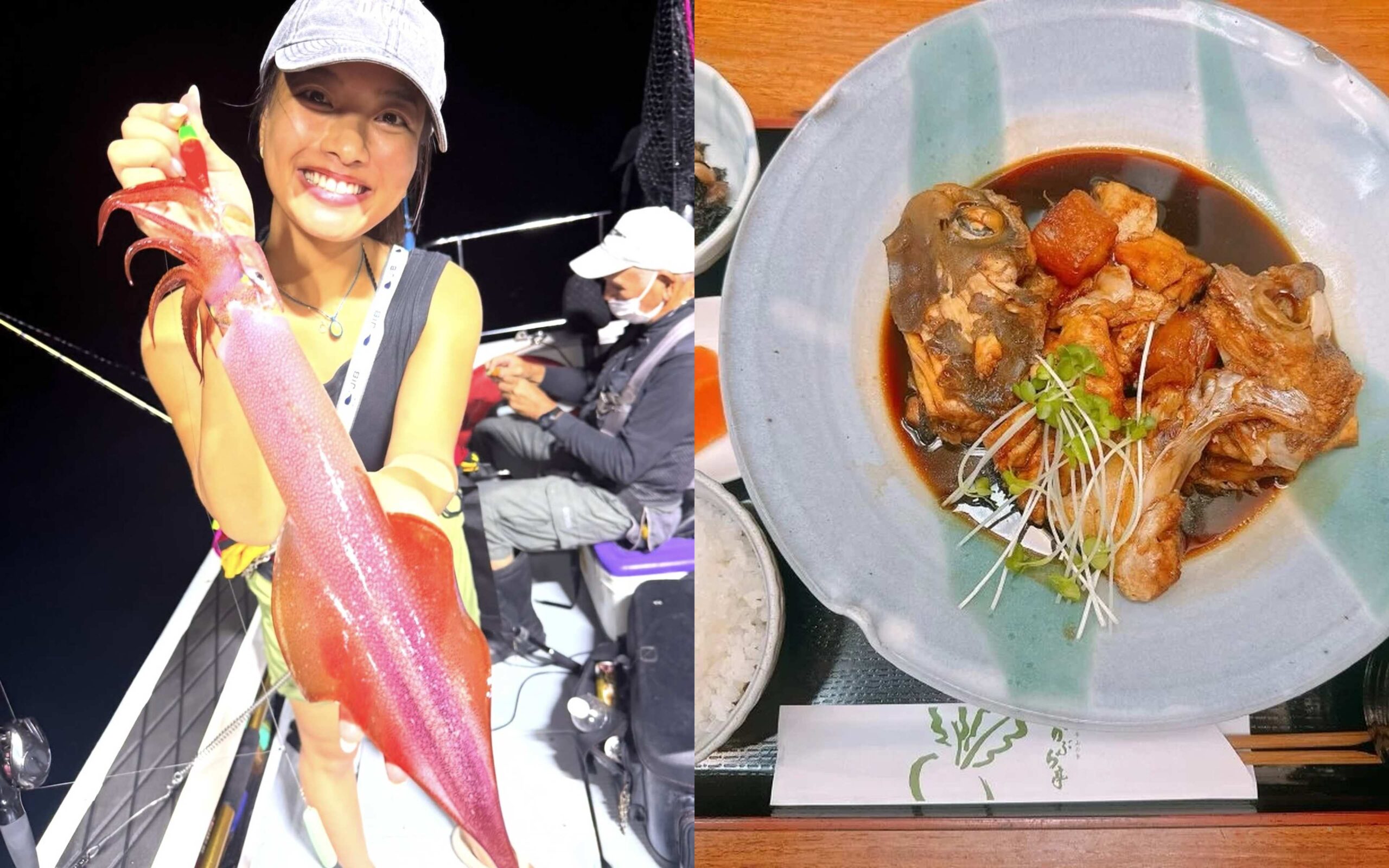
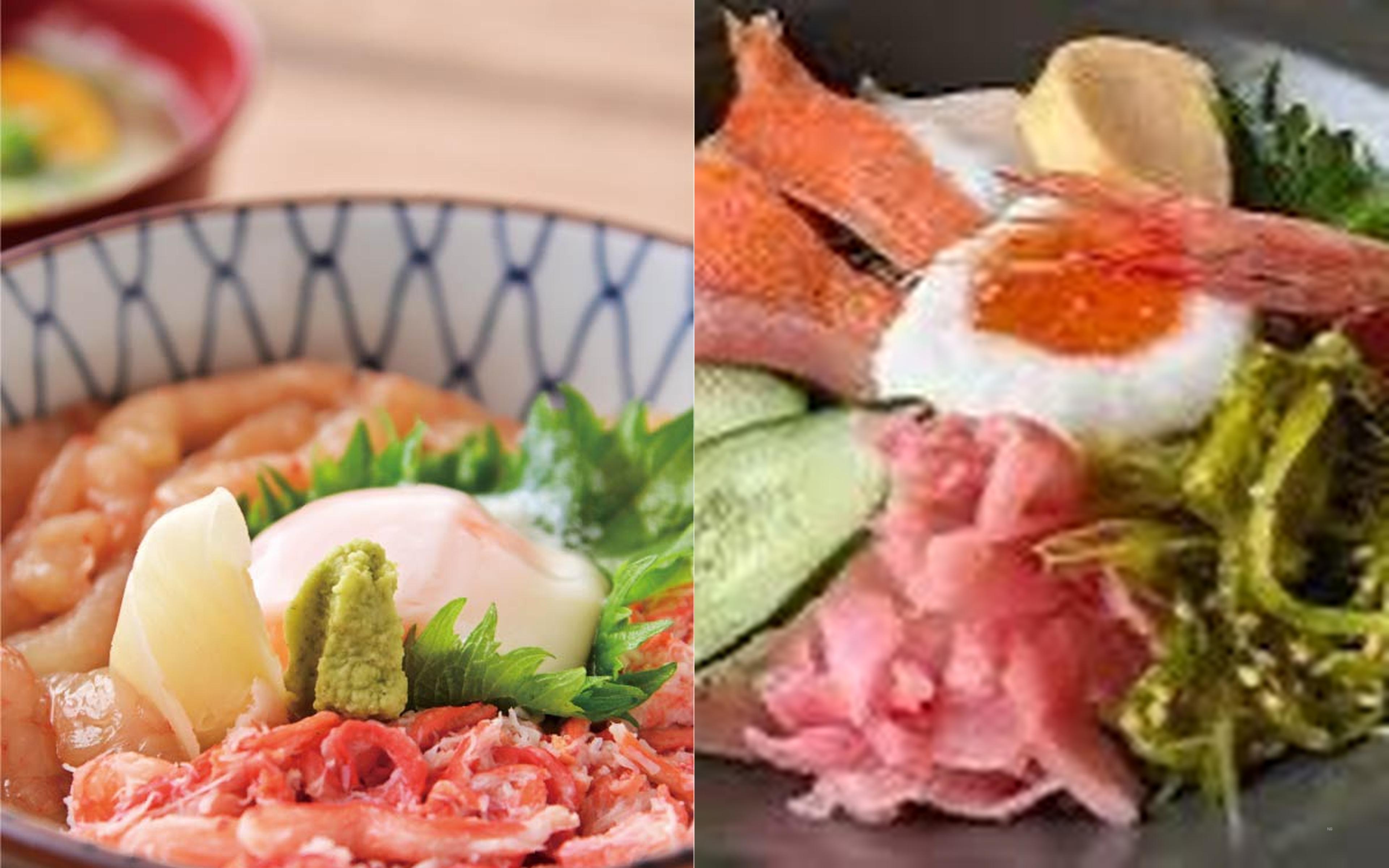
On this boat, the rod isn't always in my hands. One evening it was a fellow traveler beside me, her arm lit only by the deck light overhead, pulling up a squid that shifted color from deep red to pink as it came aboard.
Tenseimaru holds a 5.0-star rating from 41 Google reviews.
The Fishing Experience – Step by Step 🎣
A trip on Tenseimaru runs like this:
- Meet at Tottori Marina, in the Karo port area, where the boat waits ahead of the evening departure.
- Board and get settled, with a private live well at your own seat and a proper toilet on board.
- Fish through the evening, using ika-metal or omorig tackle as the deck lights take over from the last of the daylight.
- Watch the catch change color, as squid come aboard one after another as the night goes on.
- Head back to the marina once that night's window closes, your catch still swimming in the live well beside you.
Fishing Methods & Target Species
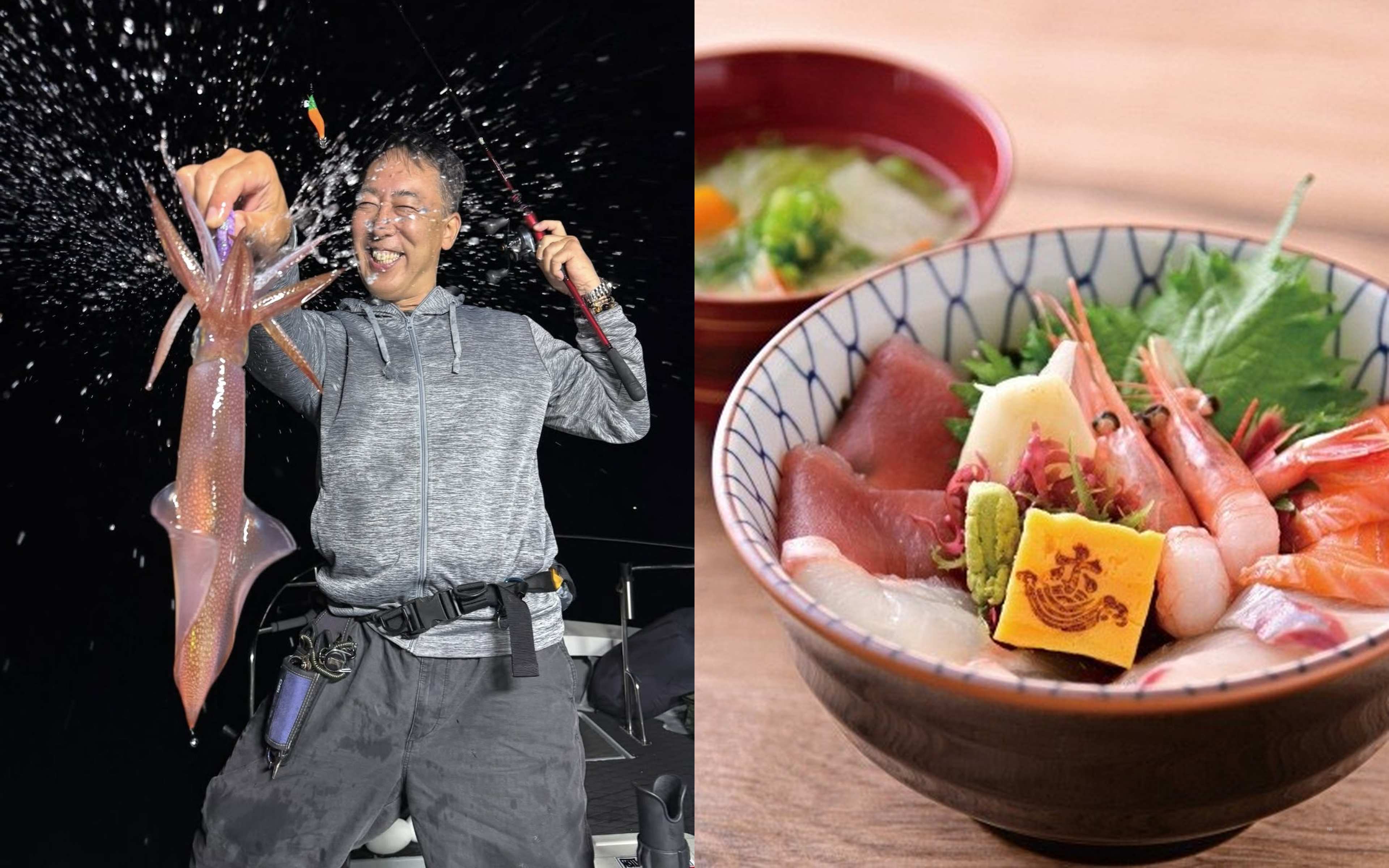
Tenseimaru's main methods are ika-metal and omorig, the two squid-jigging styles that fill most of its schedule after dark. A daytime jigging trip runs too, alongside tairaba and casting, for travelers who'd rather fish under blue sky than under deck lights.
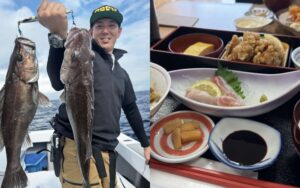
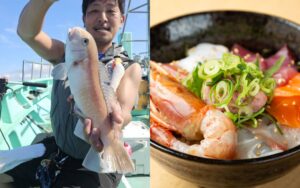
Squid make up the great majority of what comes aboard here — a third-party listing site calls the local squid "shiroika," though the operator's own site doesn't name the species, and a photo alone can't confirm it either, so I'll just call it squid. On the daytime jigging trips, a red-bodied rockfish with a metal jig still caught in its mouth is the kind of catch that turns up instead.
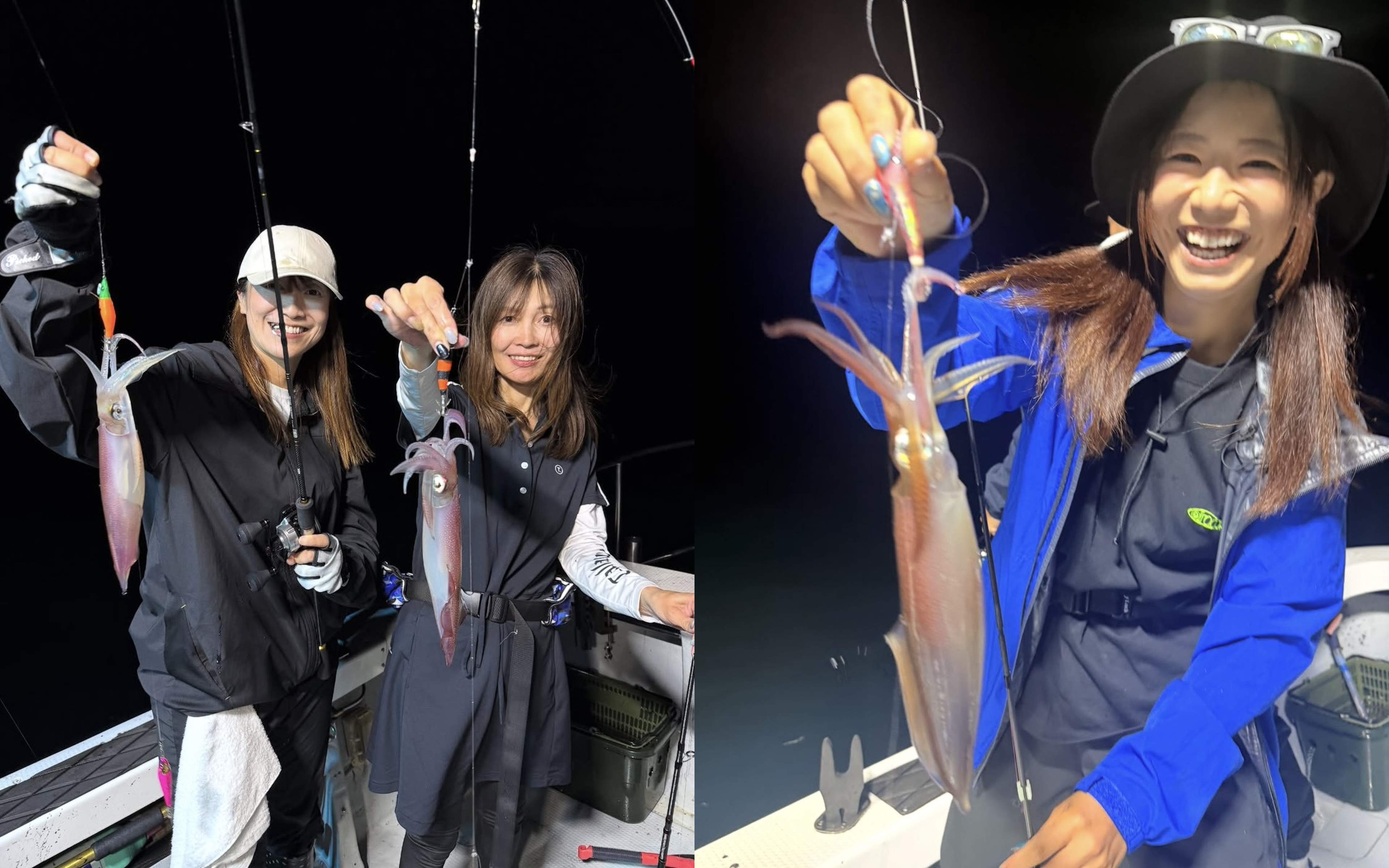
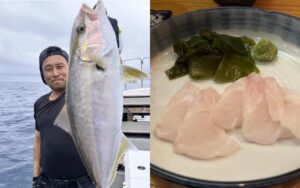
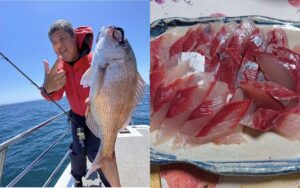
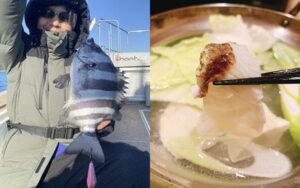
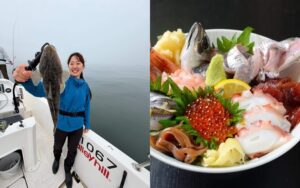
Not every photo the boat has shared is from the same outing — the light, the clothing and even the time of day differ from one to the next — but together they show a boat that works the water after sunset far more often than it works it in daylight.
🗣️ Traveler Reviews – Why They Chose This Charter
Here's what a few travelers who've fished this boat through me had to say:
🗣️ ⭐️⭐️⭐️⭐️⭐️
I'd expected the dark to feel unsettling, but it did the opposite — with nothing to see beyond the light above the rail, I stopped checking my phone and just watched the line the whole time.
— Jonas (Germany)
🗣️ ⭐️⭐️⭐️⭐️⭐️
My husband and I kept quietly betting on who'd feel the next bite first. Neither of us won, honestly — we both just laughed when something finally pulled back.
— Niamh (Ireland)
🗣️ ⭐️⭐️⭐️⭐️⭐️
I went on the daytime trip instead of the night one, and it felt like a completely different boat — bright, quiet, nothing but blue water in every direction while we waited for the jig to get noticed.
— Ylva (Sweden)
Reservation, Access & Pricing
Tenseimaru runs as a shared-boat (noriai) charter out of Tottori Marina, with no separate private-charter pricing set — though the operator's own Q&A says a group buyout can be discussed if you ask. Groups of three or more can also negotiate the departure time itself, which matters on a boat whose schedule already shifts from night to night.
Maximum capacity is eight passengers. On board there's a private flush toilet, a microwave, a hot-water heater, and a live well built into every seat, so whatever you catch stays alive next to you rather than going straight into a cooler. A sakura-mark life jacket is required wear throughout the trip.
The captain, Seiichi Hoshikura, comes from a family of fishermen. The operator's own site describes him as having started this charter simply because he loves fishing and wants other people to feel that same enjoyment — in his own words, wanting to fish because he wants to make others fish too.
Payment is made before departure. If the trip is cancelled, nothing is charged, and any advance payment is refunded in full.
Official Links ✨
- Tenseimaru official site: https://tenseimaru.com/
- Karo Port Ichiba Shokudo (Tabelog): https://tabelog.com/tottori/A3101/A310101/31004226/
Important:
Read the full pricing and schedule section before reserving — the departure time varies by season and by trip type!
Budget Guide 💴
Expect to budget $200–$300 per person for the full package — this covers guide arrangement, booking negotiation with the captain in Japanese, and English-language support throughout your day.
Fishing Difficulty 🎯
Solo Travelers · Couples & Small Groups · Age limits and group minimums are set by each boat
Tackle rules differ too — some boats hire out rods and reels, some hire out nothing but life jackets. I confirm this boat's rules with the operator before you book; what is already confirmed for this one is in the Schedule section above.
Note: Catch results depend on nature — success is never guaranteed!
Schedule 🕘
Tenseimaru departs at 20:00 on weekdays, including Fridays. The operator's own schedule board lists windows that shift by the day — 17:00–24:00, 20:00–02:00, and a longer 17:00–01:00 trip among them — rather than one fixed return time, so I'll confirm the exact window with the captain once your date is set. Daytime jigging trips run as well — the operator lists tairaba and casting alongside the squid methods — but the schedule board is built around the night trips, so I check what daytime dates are open when I book.
What to Bring 🎒
☀️ Spring/Summer: Sunscreen, sunglasses, a wide-brim hat, plenty of water, and light snacks. The deck is fully exposed — no shade. Stay hydrated, especially on early-morning departures and the return leg.
❄️ Autumn/Winter: The sea is colder than on land. Dress at least two layers warmer than you would ashore, and bring a windproof outer layer.
👟 Footwear: Water-resistant shoes or sandals that can get wet and won't slip on a wet deck.
📦 Optional: Motion sickness tablets if you're prone to seasickness, a towel, a change of clothes, and a camera.
🚚 For travelers continuing to another city: Cool-pack delivery of your catch to your next accommodation can be arranged on request.
Full seasonal gear details: Spring/Summer Gear Guide · Autumn/Winter Gear Guide
How to Get to Tottori Marina
Tenseimaru departs from inside Tottori Marina, in the Karo port area at 10-1 Minatomachi, Tottori (680-0906). By my own measurement, it's about a 7-minute, 6.7-km drive from JR Tottori Station — the operator's own access page doesn't cover that route at all, giving only driving distances from further afield: about two and a half hours from Osaka, or roughly an hour and fifty minutes from Himeji, and it notes that the Tottori Expressway stretch is toll-free.
If you have time before or after your trip, Tottori Sand Dunes are about an 8-minute, 6.8-km drive from the port — one of the more distinctive coastal detours you can make in Japan.
Dinner After the Charter – A Lunch Place, Not a Late One 🍶
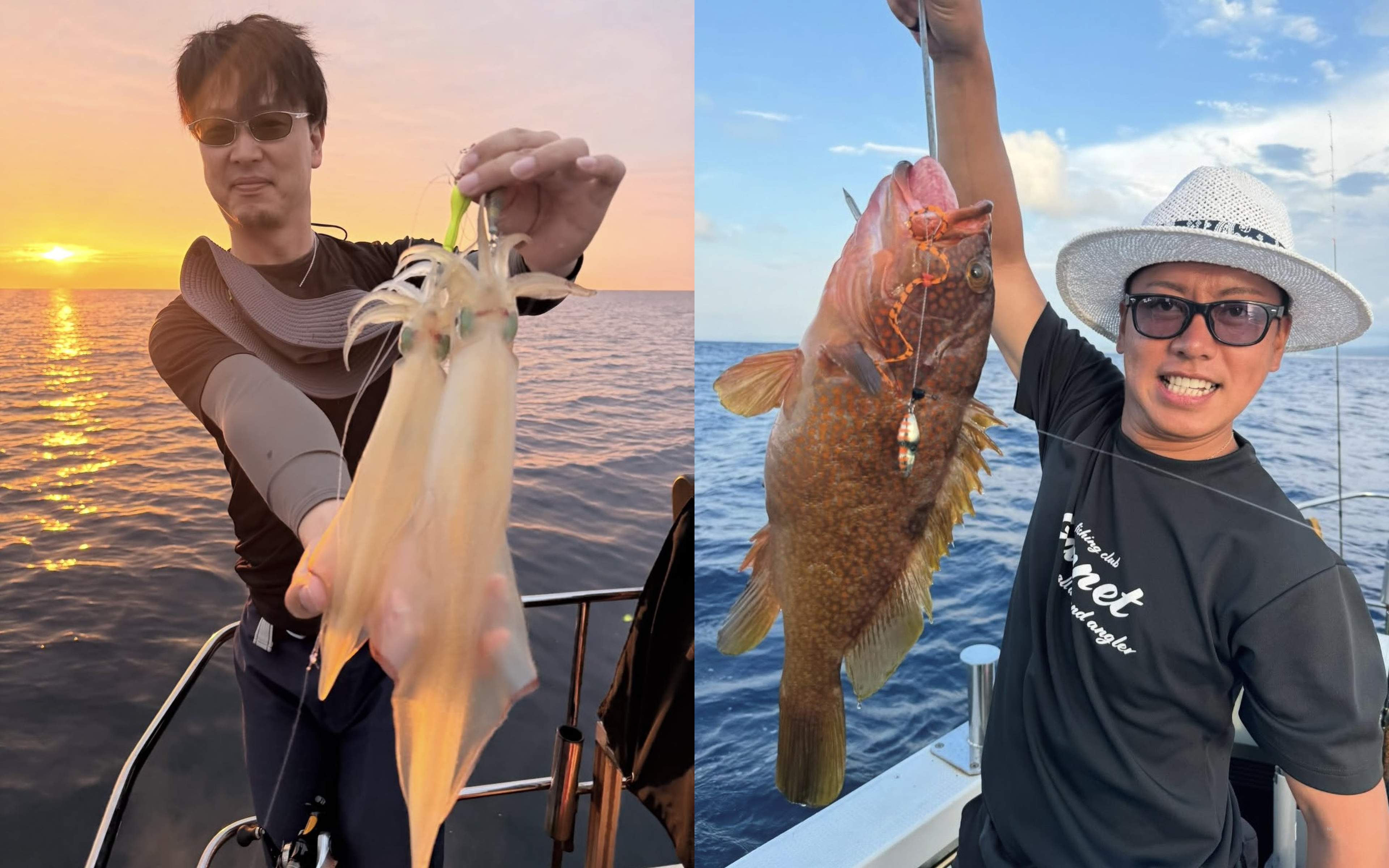
The partner here is Karo Port Ichiba Shokudo, a self-service seafood canteen inside the Kanemasa Hamashita fish wholesaler, about 2.8 km and a five-minute drive from the marina — close enough that the walk takes under forty minutes, and well inside the same Karo port area. Rice bowls and set meals, around 170 seats, a large car park. But there is one thing to be clear about: this is a lunch place. It opens 10:30–14:30 Monday to Friday and 10:00–14:30 at weekends, which means it is shut by the time a 20:00 squid trip gets back to the dock.
That leaves three ways to use it: after a daytime jigging trip, before boarding on the day of a night trip, or at lunchtime the following day. All three work. What has not been confirmed is whether they will cook a catch you bring in yourself — so please don't plan around that until I've called and asked.
There is something I can say for certain about your squid, though. Every seat on Tenseimaru has its own live well, so the catch goes home with you still alive rather than straight into a cooler. What happens after that depends on where you're staying: whether your accommodation will handle a live catch, and whether they can take a guest arriving after a late-night trip, is a question for them rather than for the boat — and it's exactly the kind of detail I'll sort out once you know where you'll be sleeping that night.
Karo itself is a working fishing port, and the area around it has no shortage of places serving what comes off the boats. If you're in Tottori at the right time of year, matsuba crab, nodoguro (blackthroat seaperch) and mosa shrimp are the names most associated with the prefecture's seafood — though what's actually in season, and what it costs, changes enough from year to year that I won't pin down specifics here.
Why Book Your Charter Through Me?
Most Japanese fishing boats accept reservations only in Japanese.
Partner restaurants typically do not advertise "cook-your-catch" or sushi-making courses on public-facing menus.
That's why I handle all direct negotiations and arrangements — so your day runs without friction.
- ✅ I contact the captain directly in Japanese to confirm your date, party size, and preferred fishing style.
- ✅ Before departure, I'll walk you through the full day schedule so you arrive confident and prepared.
- ✅ I coordinate the dining experience and meal timing at the partner restaurant so everything connects seamlessly.
- ✅ I handle any allergy, dietary, or special-requirements communication with the restaurant.
- ✅ If bad weather forces a cancellation, I'll immediately propose alternative sightseeing options so your day isn't wasted.
- ✅ On-call support in English throughout the day for anything that comes up.
- ✅ I am the only guide in Japan specialising in fishing + dining packages for international travelers.
Frequently Asked Questions
- "I want to try fishing in Japan but have absolutely no idea where to start." 👉 That is exactly what I am here for — guiding international travelers through the whole process is my specialty.
- "I only have one day here. Can I really fit fishing into my itinerary?" 👉 Often, yes — but departure and return times vary enormously, from pre-dawn starts to trips that finish after dark. See the Schedule section above for this boat, tell me your dates, and I'll work out what fits around the rest of your trip.
- "Is it safe for kids and beginners?" 👉 Wearing a life jacket is the rule on Japanese charter boats, and many of the boats I work with take complete beginners. Age limits are set by each operator, though, and some do not take children at all — so check the Schedule section above, or ask me and I'll confirm before you book.
- "I don't speak any Japanese. Will I be able to manage on the boat?" 👉 Of course. I brief you thoroughly in English beforehand and stay in contact throughout the day for anything that comes up.
- "Can I rent fishing gear on the day?" 👉 It depends on the boat. Some hire out rods and reels; others hire out nothing but life jackets and expect you to arrive with your own tackle. I check what this boat does before you book, and if you need to bring your own I'll pass on the exact specifications it asks for.
- "What if the weather is bad on my day?" 👉 Safety always comes first. If the charter is cancelled due to rough seas, I'll have an alternative day plan ready for you immediately.
- "Do all plans require a minimum group size?" 👉 It varies by boat and by plan — some take solo anglers on a shared boat, while a private charter often sets a minimum. Tell me your party size and I'll find the plans that work for it.
Summary
Tenseimaru is built around the hours most charter boats treat as downtime — squid fishing after dark, with a daytime jigging option for anyone who'd rather see the water than the deck lights. Whichever you choose, the live well at your seat means your catch is still yours to decide about once you're back on land, port and accommodation willing.
If a night spent watching a single lit line over dark water, or a bright, quiet afternoon of jigging off the Tottori coast, sounds like the kind of day you want in Japan, let's talk dates.
🗣️ ⭐️⭐️⭐️⭐️⭐️
I went in expecting to be bored by the second hour, and instead I lost track of how long we'd been out there until the captain mentioned it was almost time to head back.
— Kasper (Denmark)
👉 中文咨询请点击此处 ※使用翻译软件进行处理
※ Guest voices in this article are illustrative scenarios based on typical experiences, not actual customer reviews.

Comments